
Kenyan Drivers' Demonstrations Lead to Fare Increases, Challenging the Stability of the Gig Economy
- Kenyan authorities mandated a 50% fare hike for Uber and Bolt to address drivers' protests over "exploitative labor practices." - The directive, aligning with AAK guidelines, requires immediate compliance within seven days to resolve unsustainable driver earnings. - Drivers claim current fares fail to cover operational costs, leading to loan defaults and vehicle repossessions, while unions threaten legal action. - The government collaborates with the World Bank to draft a national taxi pricing policy, ai
Kenyan officials have ordered ride-hailing platforms to raise their fares by 50%
This move comes as digital taxi drivers across the country protest, claiming that current pricing does not cover essential expenses like fuel, car upkeep, and loan payments. Justus Mutua, who speaks for the Amalgamation of Digital Taxis Associations in Kenya, pointed out that low rates have resulted in "declining incomes, excessive working hours, missed loan payments, and more vehicles being repossessed."
With the new fare system, per-kilometre charges will rise sharply: Small-engine cars (up to 1050cc) will now earn Sh33.1 (USD 0.25) per kilometre, up from Sh22 (USD 0.17), and medium-engine cars (1051cc–1300cc) will get Sh36.8 (USD 0.28) per kilometre, up from Sh26 (USD 0.20).
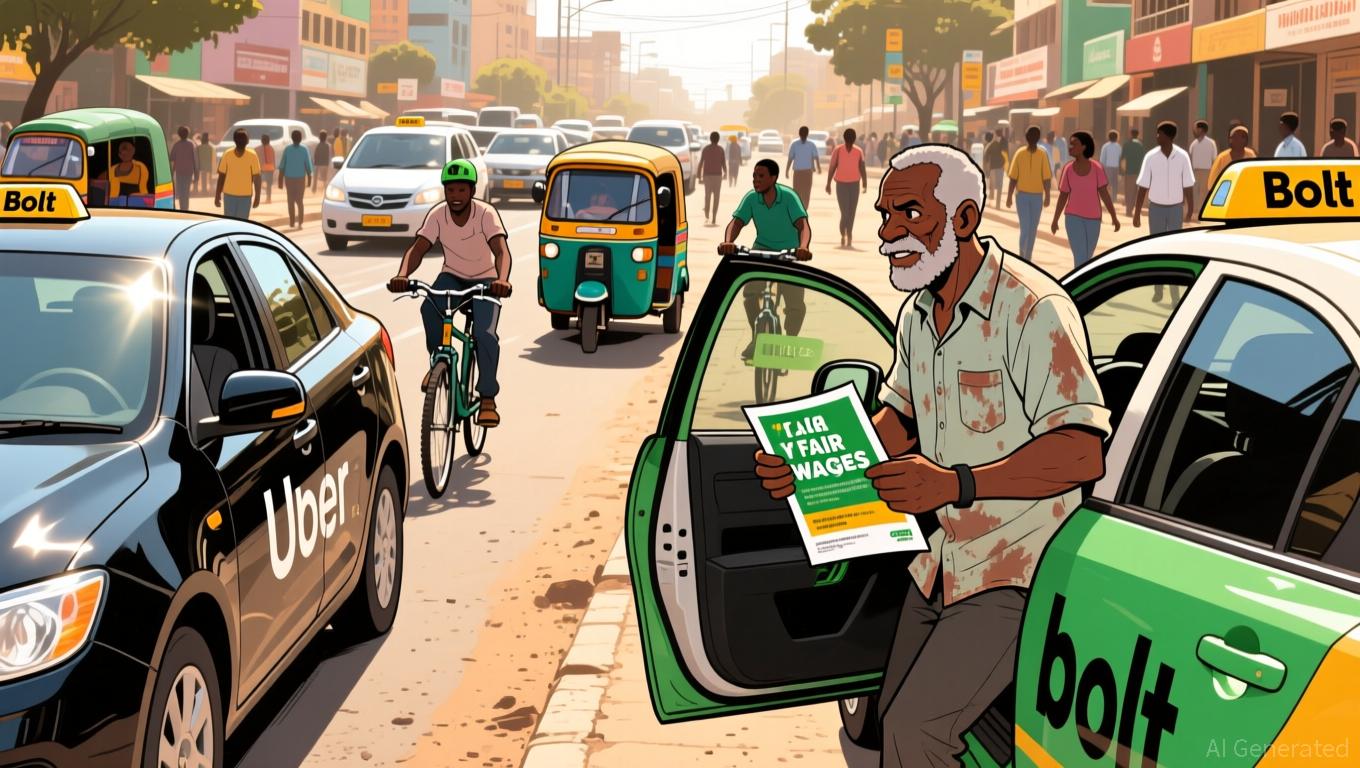
This directive signals a new direction for Kenya’s oversight of ride-hailing companies, which have previously operated under informal arrangements. Although the AAK’s 2023 recommendations were not mandatory due to the absence of unified rules, drivers now insist that the new fares be enforced at once to avoid further disruptions.
Passengers, on the other hand, have voiced worries about the impact of higher prices, especially given Kenya’s high inflation and joblessness. While officials argue that the changes will benefit drivers’ working conditions, some experts warn that steeper fares might push customers toward cheaper options like motorcycle taxis or public transit.
Disclaimer: The content of this article solely reflects the author's opinion and does not represent the platform in any capacity. This article is not intended to serve as a reference for making investment decisions.
You may also like
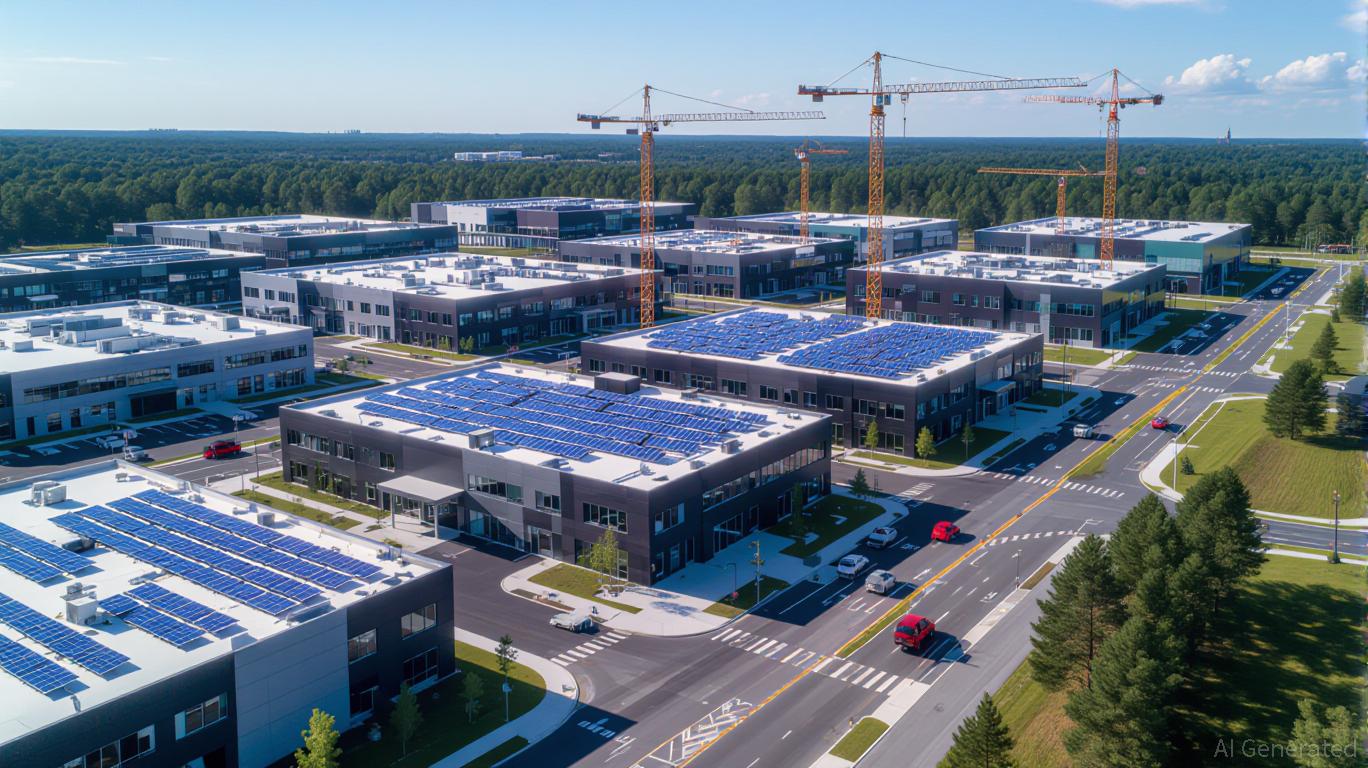
Strategic Property Investment in the Revitalization of the Former Xerox Campus: Infrastructure-Led Renewal in Webster, NY
- Webster , NY, is transforming its post-Xerox campus via $14.3M in state infrastructure grants for industrial upgrades and public-private partnerships. - Road, sewer, and electrical improvements reduced industrial vacancy to 2%, attracting $650M fairlife® dairy plant and 250 jobs. - Residential values rose 10.1% annually as NEAT corridor targets $1B in development by 2026 with $283M public-private investment. - Strategic infrastructure funding de-risks development, creating a scalable model for post-indus
3 Key Signals That Hint at a Near-Term Shiba Inu Upswing

BONK Poised for 200% Jump Amid ETF Listings and Utility Teasers

Crypto Market Pumps as Fed Injects $13.5 Billion Into the Banking System Overnight

Trending news
MoreCrypto prices
More






