
News
Stay up to date on the latest crypto trends with our expert, in-depth coverage.


- Tether reverses plan to freeze USDT on five blockchains, opting to halt new issuance while allowing existing token transfers. - Affected chains include Omni Layer ($82.9M USDT), EOS, and Algorand, reflecting a multi-year strategic shift toward high-traffic ecosystems like Tron and Ethereum. - The move prioritizes blockchains with strong developer activity and scalability, aligning with Tether’s focus on operational efficiency and user accessibility. - USDT and USDC dominate the $285.9B stablecoin market,

- Japan reclassified crypto as financial products under FIEA, paired with a 20% flat capital gains tax, to attract institutional investment and align with traditional markets. - JPYC, a yen-backed stablecoin collateralized by JGBs, aims to boost debt demand and bridge traditional finance with blockchain, with ¥1 trillion in approved issuance by 2026. - Monex and SBI Holdings are expanding stablecoin partnerships (e.g., Ripple’s RLUSD, Circle’s USDC) under Japan’s strict 100% reserve-backed framework, enhan
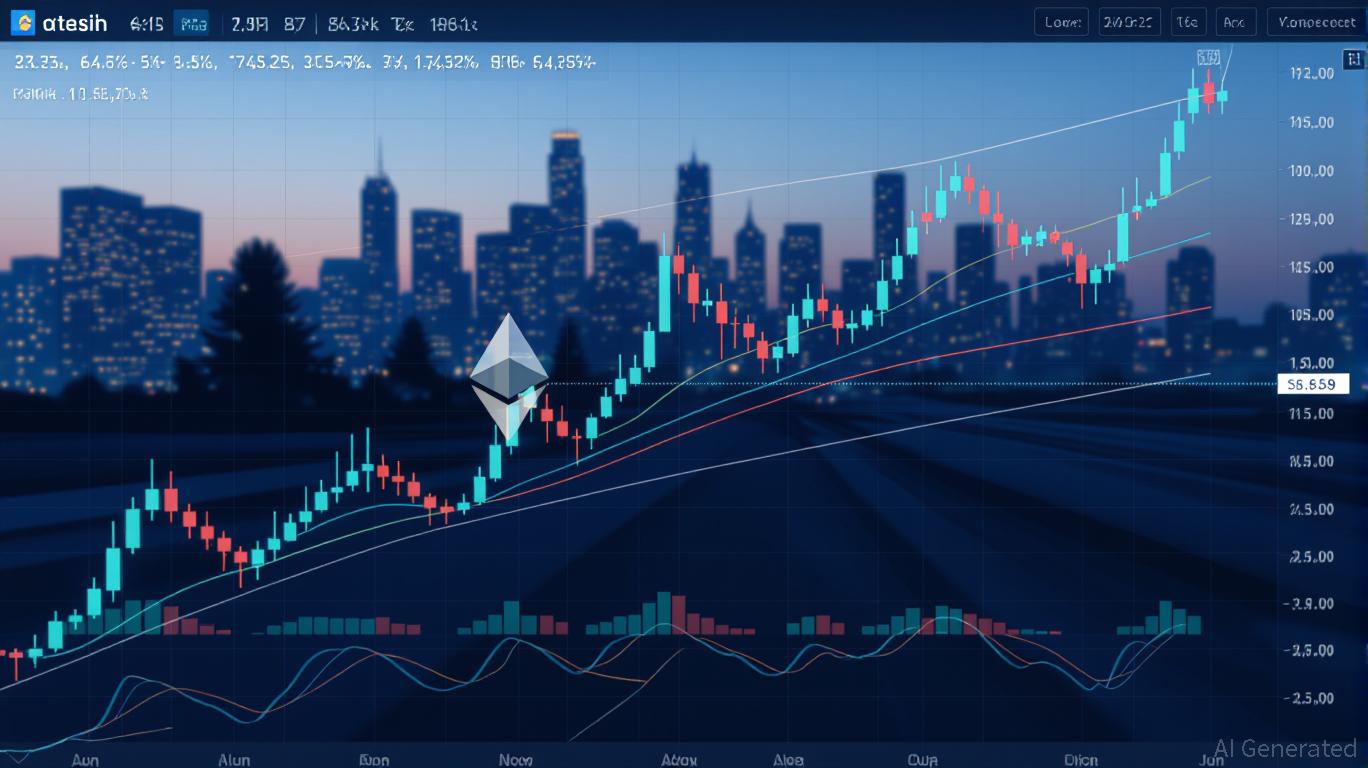
- Bitcoin's dominance fell below 60% in August 2025, shifting capital toward Ethereum and altcoins amid institutional ETF inflows and DeFi adoption. - Ethereum faces critical support at $4,100–$4,300, with potential for a $4,700+ rally if it breaks above key resistance levels and maintains bullish technical indicators. - Altcoins show divergence: ADA and HBAR exhibit breakout potential, while smaller tokens risk collapse amid Ethereum's $297M liquidation event during August's selloff. - Investors are advis
- PetroChina adopts Hong Kong's stablecoin framework to cut USD reliance and reduce exchange losses by 40% in energy trade pilots. - China's yuan-backed stablecoin strategy aligns with BRI expansion, positioning Hong Kong as a regulated digital asset hub with 100% reserve mandates. - Asia's stablecoin ecosystem grows through South Korea's won-backed frameworks and Singapore's CBDC integrations, enabling hybrid financial infrastructure. - Financial institutions and blockchain platforms accelerate adoption,

- HBAR token consolidates near $0.223 support level, with $0.2324 resistance critical for bullish reversal confirmation. - Technical indicators show equilibrium with RSI/MACD neutrality, while Fibonacci levels guide short-term trading strategies. - Broader crypto volatility and regulatory updates may influence HBAR's trajectory amid pending institutional interest signals. - Hedera's ecosystem growth and partnerships remain potential catalysts despite limited current price impact from on-chain stability.

- Japan's 2026 FSA restructuring reclassifies crypto as financial products under FIEA, establishing regulatory clarity and investor protections to attract institutional capital. - Tax reforms introduce a flat 20% crypto capital gains tax and three-year loss carry-forward, aligning digital assets with traditional investments to reduce compliance burdens. - New regulatory units and yen-pegged stablecoin JPYC, alongside spot Bitcoin ETFs, create institutional-grade infrastructure for cross-border crypto adopt
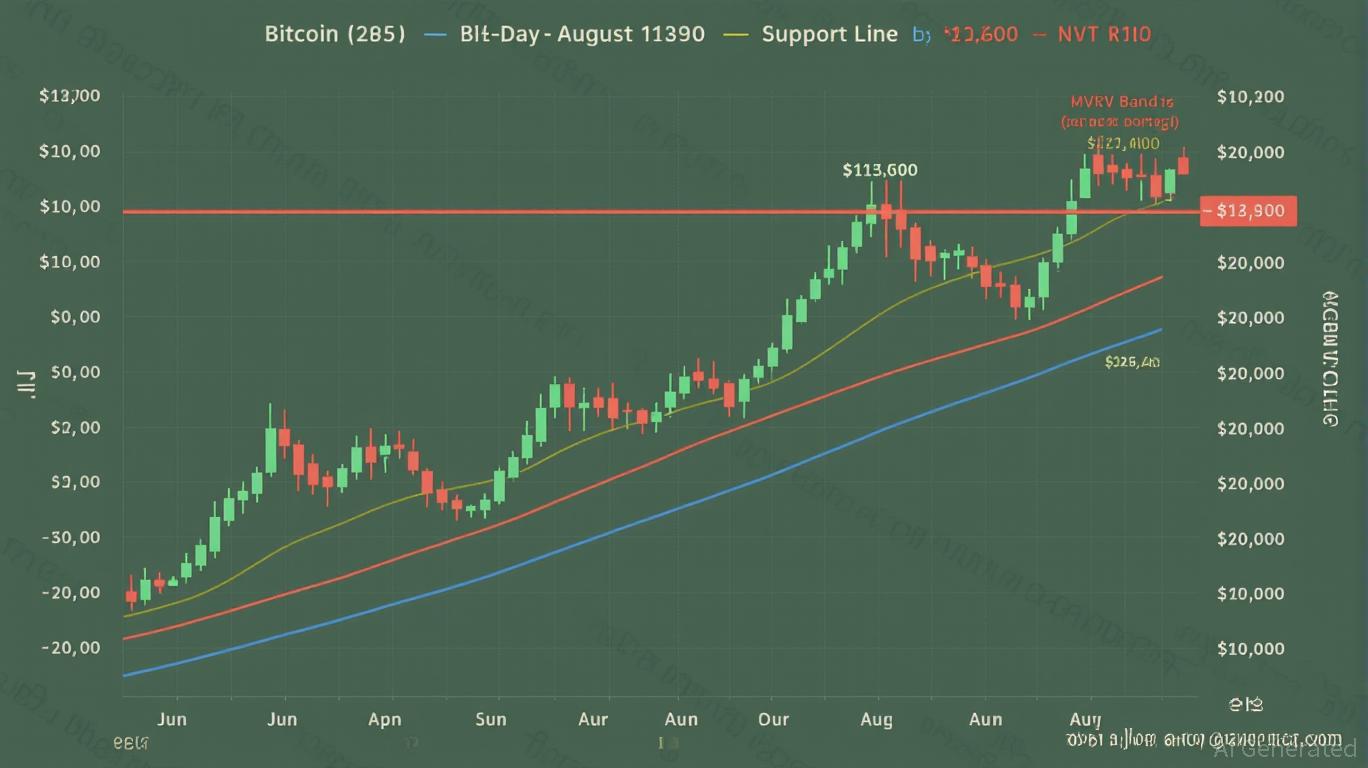
- Bitcoin faces critical resistance at $113,600–$113,700, with breakout potential toward $120,000 or a breakdown into $110,000–$112,000. - Key support at $100,000–$107,000 aligns with on-chain cost bases and institutional buying, but further declines risk triggering STH selling and liquidity sweeps. - Weak technical momentum (ADX 18.81, RSI mid-60s) and macro risks (Fed hawkishness, USD correlation -0.29) demand disciplined risk management via stop-losses and position sizing. - Historical patterns show 58.

- 08:22Bitcoin treasury companies enter the "Darwin phase," Galaxy warns of premium collapseAccording to ChainCatcher, the price of bitcoin dropped from a high of $126,000 to the $80,000 range, causing Bitcoin Treasury Companies (DAT) to enter the "Darwin phase," with equity premiums collapsing, leverage becoming a burden, and most DAT stocks turning to discount trading. A Galaxy Research report pointed out that some companies, such as NAKA, have plummeted 98% from their peak, while Strategy has raised $1.44 billion in cash reserves to cope with market volatility.
- 07:31Maryland man sentenced to 15 months in prison for assisting North Korea in infiltrating U.S. tech companiesJinse Finance reported that Minh Phuong Ngoc Vong, a 40-year-old man from Maryland, was sentenced to 15 months in prison and three years of supervised release for assisting North Korean agents secretly embedded within U.S. technology companies. Between 2021 and 2024, Vong used false identification to secure software development positions at at least 13 U.S. companies, which paid him over $970,000 in salaries, while the actual work was performed remotely by North Korean agents based in China. Some companies even subcontracted Vong's services to U.S. government agencies, including the Federal Aviation Administration (FAA), resulting in these agents gaining unauthorized access to sensitive government systems.
- 07:11Aave founder: The UK's new tax rules simplify taxation and promote institutional adoption of cryptocurrenciesAccording to ChainCatcher, as reported by Yahoo Finance, Aave founder Stani Kulechov stated that the recent DeFi tax guidelines released by HM Revenue & Customs (HMRC) may mark a turning point for crypto lending in the UK. The document points out that depositing digital assets or stablecoins such as USDC or USDT into DeFi platforms will not be considered a taxable disposal at the time of deposit. In other words, when users deposit their crypto assets into DeFi platforms for lending, staking, or borrowing, it will not trigger capital gains tax. Capital gains tax is only required when users actually dispose of their assets (for example, by selling, converting, or otherwise cashing out), rather than simply transferring tokens into or out of DeFi protocols. According to the new approach, these routine DeFi transactions fall under the category of "no gain, no loss," thereby providing investors with clearer and more practical tax guidance. Kulechov added that the simplified tax approach reduces the burden, enabling broader institutional adoption while also making operations easier for ordinary retail users.