
Verse8: A powerful tool for creator-driven premium games

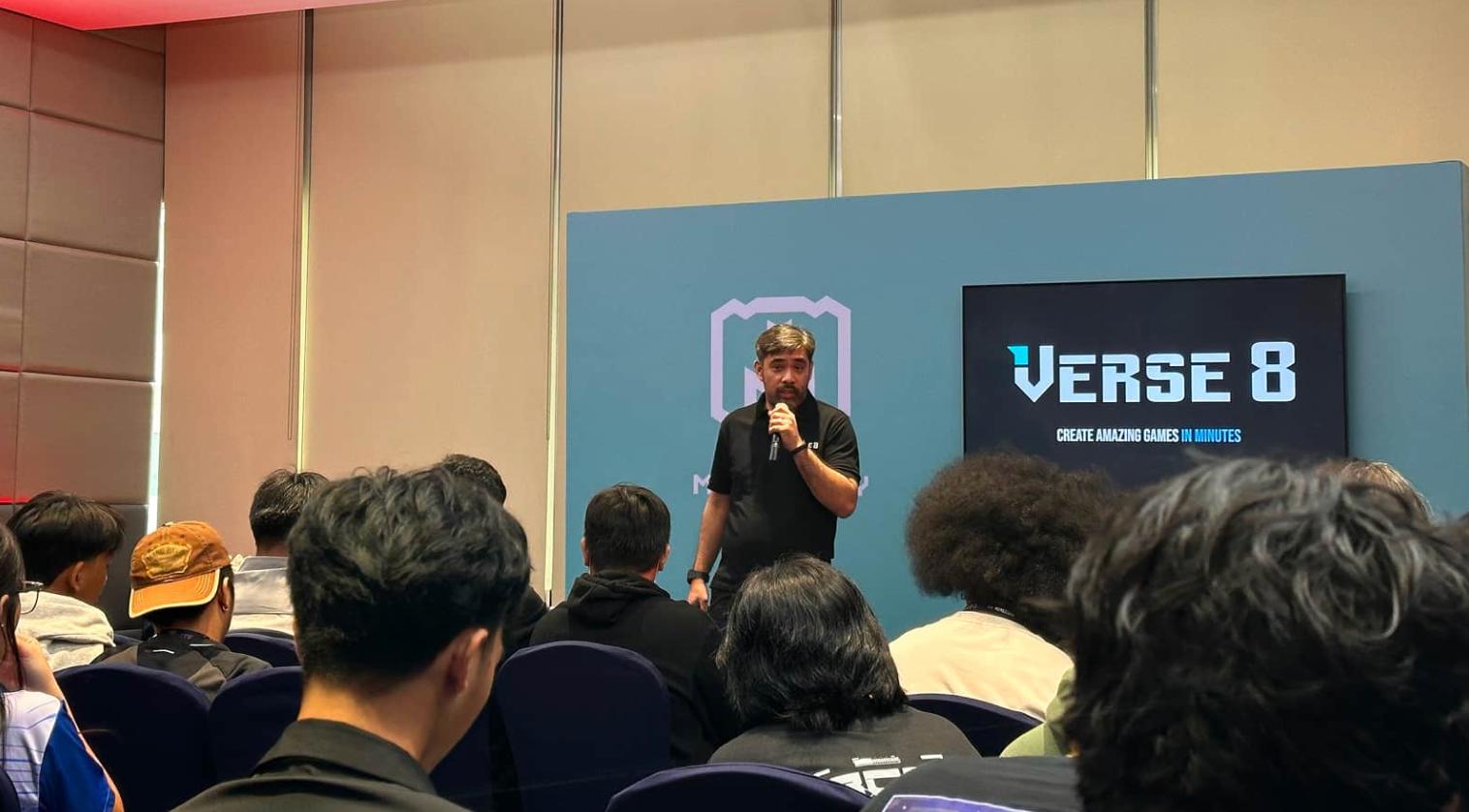 Verse8's Mission: Eliminating Technical Barriers to Creativity
"Allowing anyone, regardless of their technical background, to create immersive, fully-fledged online games"—this is the founding purpose of Verse8.
The platform is dedicated to replacing complex coding and art pipelines with simple natural language, enabling teachers to create a history-themed role-playing game (RPG) within minutes, or allowing children to quickly produce a visual novel.
However, in reality, achieving this "Prompt-to-Play" gaming experience often requires the support of a complex backend system. At the same time, it also needs a world-class model that coordinates text, audio, video, and code generation.
To support this vision, the biggest initial challenge faced by the Verse8 team was fragmented infrastructure—the team had to manually integrate APIs and cutting-edge models from different vendors to achieve optimal performance in multimodal outputs. Integrating a new AI model—which is crucial for maintaining the platform's competitiveness—naturally became a complex engineering challenge, as it involved tedious server configurations and compatibility checks. In the early stages of the project, the lack of a unified experimental environment to quickly test new alpha models or scale the service architecture to meet creators' needs led to Verse8's engineering team wasting a lot of time on model maintenance, distracting them from focusing on gameplay.
Verse8 CEO JC Kim shared publicly: "The main bottleneck was the lack of unified cloud infrastructure, which made it impossible to integrate and manage a diverse portfolio of generative AI products. Integrating a single new model could even take a dedicated engineer several weeks to complete."
Verse8's New Solution: Empowering "Prompt-to-Play" with One-Stop Infrastructure
To solve the problem of fragmented infrastructure, Verse8 unified its entire AI and infrastructure stack by migrating to Google Cloud, using Vertex AI to coordinate multi-model collaboration. In the new workflow, creators only need to enter a set of prompts—for example, "create a suspenseful visual novel set in a cyberpunk city."
In Verse8's backend tools, the Gemini model, as the logical core, can instantly generate storylines, dialogues, and underlying game code on virtual machines. At the same time, the system calls dedicated models to build assets:
- Video: Veo generates cinematic opening and cutscene animations;
- Image: Imagen creates consistent character portraits and backgrounds;
- Audio: Lyria produces immersive soundtracks and sound effects.
Crucially, the Verse8 platform solves the common hallucination problem in AI coding. If the generated code has bugs, the system will run the game in a sandbox environment, capture error logs, and feed them back to the large language model; subsequently, the large language model can read the errors, self-correct the code, and automatically redeploy the game.
To ensure that this resource-intensive technical architecture can support 3 million daily users, Verse8 leverages Google Kubernetes Engine (GKE) to dynamically manage massive computational workloads, with particularly significant results.
Revolutionary Workflow Changes: From Weeks to Days, Accelerating Productivity and Unleashing Creativity
By migrating to a unified architecture, Verse8 has completely changed the pace and possibilities of game development.
In the past, creating games with integrated assets required weeks of manual debugging; now, Verse8 creators can build complex multimodal games within two days, and even reduce this production time to just a few hours. The rapid transition from idea to finished product has directly driven creator retention rates to over 40%.
The most notable achievement is the rapid expansion of the creator community. To date, the platform has empowered more than 2,000 non-technical users to join this emerging group of AI game developers.
For example, teachers are using Verse8 to build historical adventure games and interactive math quizzes to better engage students in the classroom.
By eliminating technical barriers, the Verse8 platform has produced more than 5,000 AI-generated games, opening up new horizons for users' imagination. Looking ahead, the Verse8 team is already experimenting with the next generation of Gemini models, further breaking down and eliminating the boundaries between game creators and players.
As Verse8 CEO JC Kim said: "We are seeing a brand new wave of creativity—unconventional gaming experiences that traditional developers might never have imagined. We are empowering non-technical developers to create entirely new games that we've never seen before."
About Verse8
Incubated by Planetarium Labs, Verse8 is an AI-driven gaming platform designed to enable anyone to create, play, and commercialize interactive games through natural language prompts.
Disclaimer: The content of this article solely reflects the author's opinion and does not represent the platform in any capacity. This article is not intended to serve as a reference for making investment decisions.
You may also like
Why Can’t Bitcoin Experience Massive Rallies Anymore? Anthony Pompliano Says the “Wild Era” Is Over and Explains Why
Bitcoin Stalls Below $90K as Traders Eye $86K Support, Says Michaël van de Poppe
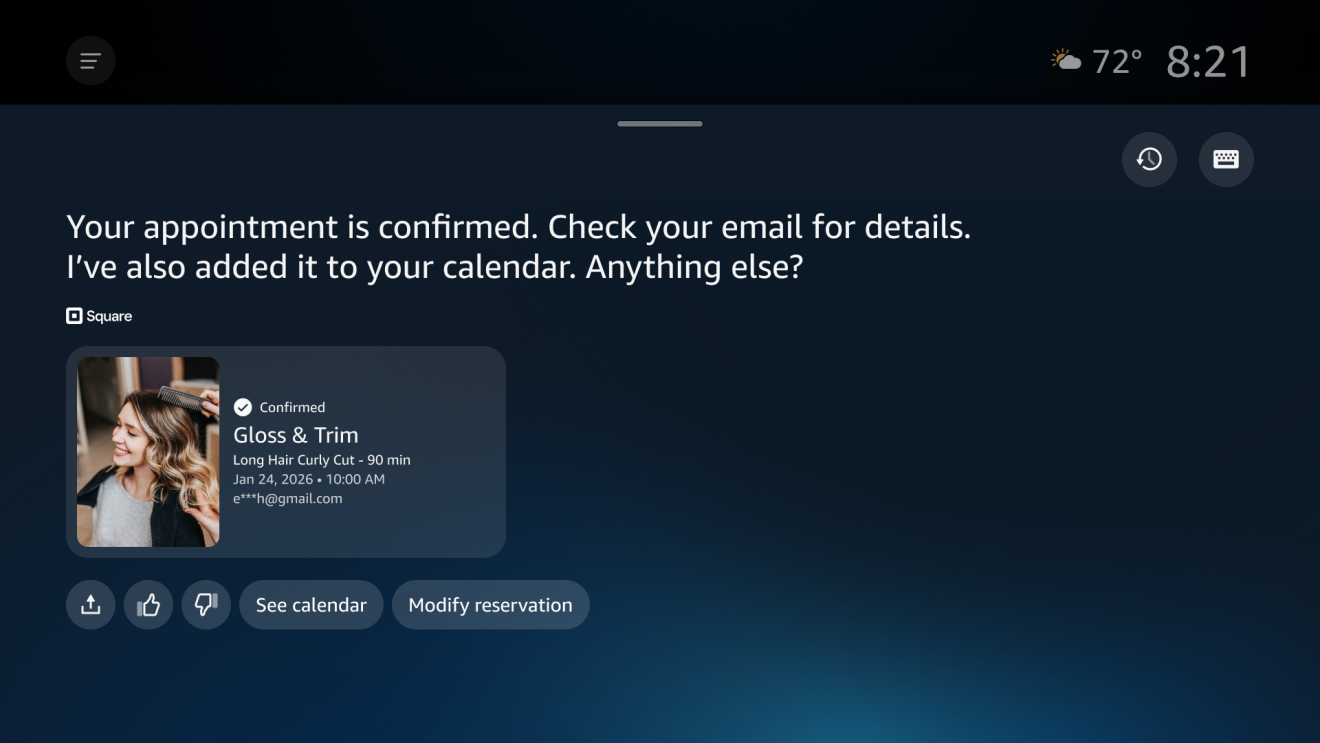
Amazon’s AI assistant Alexa+ now works with Angi, Expedia, Square, and Yelp
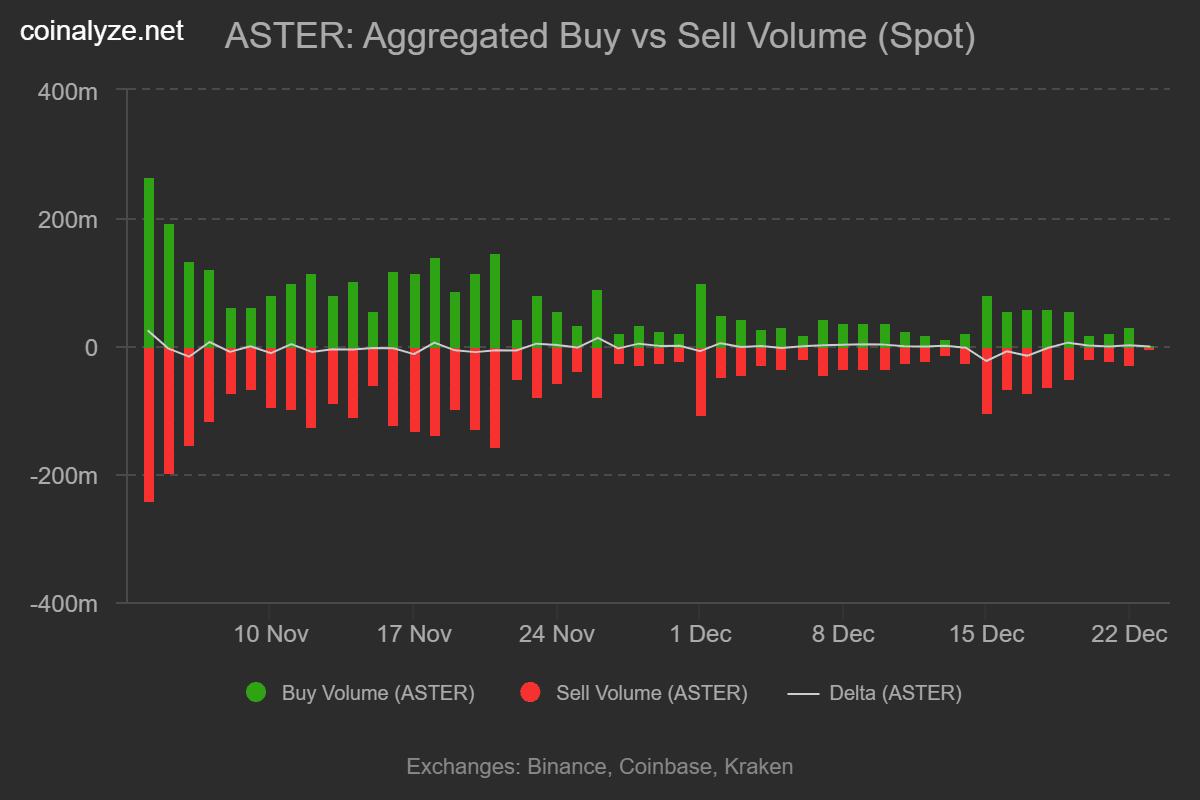
Aster DEX buys back $140M in tokens, yet prices stall – Why?
Trending news
MoreCrypto prices
More





