
The Influence of Emerging Academic Research Directions on Investments in the STEM Industry
- Farmingdale State College (FSC) drives STEM investments through industry partnerships and infrastructure, aligning academic research with AI, engineering, and sustainability demands. - Collaborations with National Grid , Tesla , and Estée Lauder create skilled talent pipelines and applied research, boosting regional economic growth and green innovation. - FSC’s 2025 STEM Diversity Summit and inclusive education model attract socially conscious investors, enhancing workforce diversity in high-growth secto
Universities as Engines of Innovation and Economic Growth
In today’s fast-changing world of global innovation, universities have evolved from traditional centers of learning into powerful drivers of economic and technological progress. Farmingdale State College (FSC) stands out as a prime example, harnessing academic research and forging industry partnerships to stimulate investment in STEM disciplines. By focusing on areas such as artificial intelligence, engineering, and sustainability, FSC has become a vital player in the broader innovation network. This overview examines how education-centered innovation hubs like FSC are transforming investment approaches and generating lasting value.
The Emergence of Academic Innovation Centers
FSC’s targeted investments in STEM facilities and collaborations reflect a growing movement: universities are increasingly serving as bridges between research and industry needs. The college’s $75 million Center for Computer Sciences, for example, is set to double enrollment in technology-related programs and address critical workforce gaps in fields like cybersecurity, AI, and software engineering. Supported by both state and institutional resources, this initiative is a strategic response to market demands. Such developments not only improve educational quality but also attract private sector partners. FSC’s alliances with organizations such as National Grid, Tesla, and Amazon, as highlighted on the college’s official website, help create a steady flow of skilled graduates and open doors for applied research, directly benefiting the local economy.
Driving Investment Through Industry Collaboration
Partnerships with major companies, such as The Estée Lauder Companies (ELC), demonstrate the mutually beneficial relationship between academia and business innovation. Through hands-on research and development training in green chemistry and sustainable product design, FSC provides students with industry-relevant experience. ELC’s lease of 52,000 square feet of laboratory space at FSC’s Broad Hollow Bioscience Park further showcases the tangible value of these collaborations. These efforts not only bring in funding for academic initiatives but also establish FSC as a center for sustainability-focused innovation, drawing in investors interested in the expanding green economy.
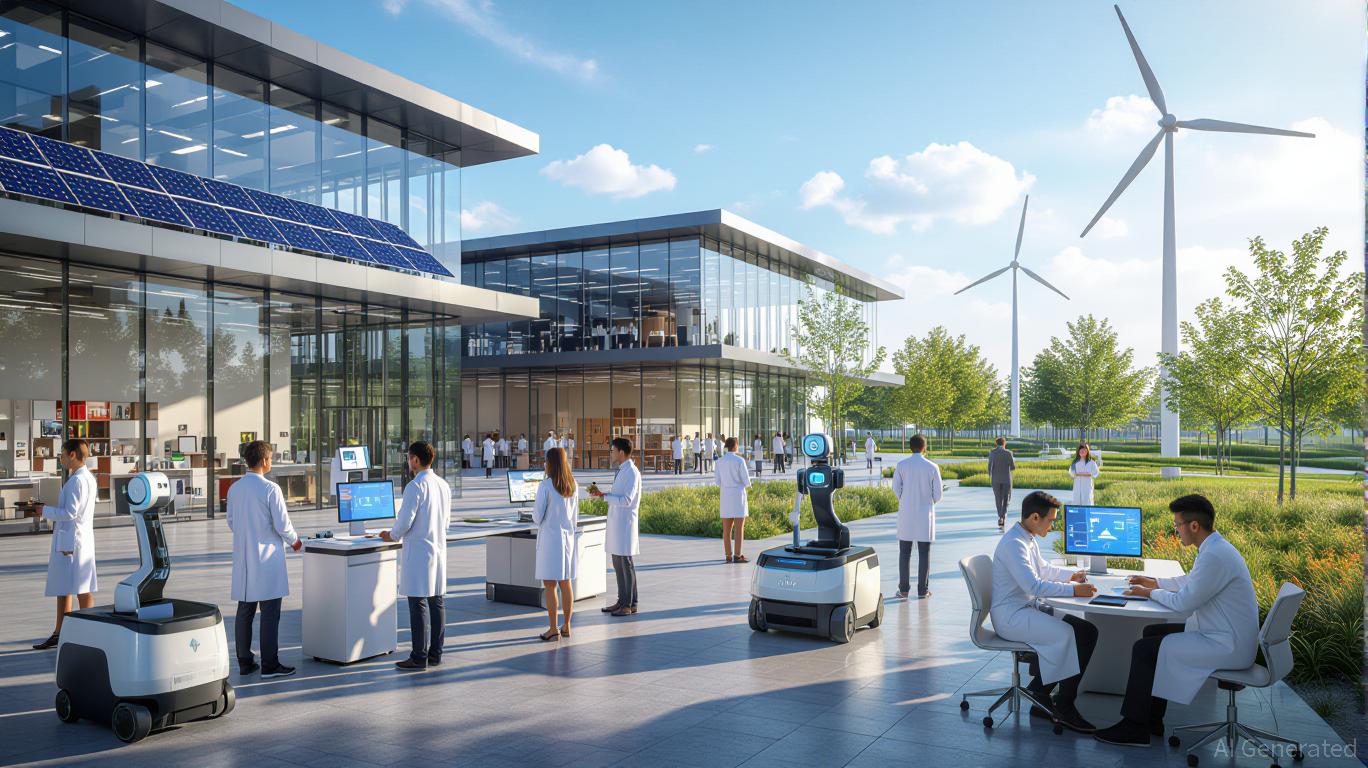
FSC’s commitment to diversity and inclusion, as demonstrated by the upcoming 2025 STEM Diversity Summit, further enhances its appeal to investors who prioritize social responsibility. By promoting inclusivity in STEM education, the college cultivates a wider pool of talent ready to lead innovation in rapidly growing industries. This strategy mirrors global trends that recognize diversity as a key driver of technological progress.
Fostering Startups and Venture Capital Potential
Although direct venture capital investment in FSC-affiliated startups is still emerging, the college’s supportive environment is nurturing entrepreneurial projects with significant growth prospects. One notable example is ELTUH, a student-founded company utilizing AI-powered drones to assess power line damage and wildfire threats. While external venture funding has yet to materialize, such initiatives highlight the potential for academic innovation to attract future investment. The infrastructure provided by FSC, including the Computer Sciences Center, lays the groundwork for these ventures to expand and thrive.
Philanthropic contributions also play a crucial role. A recent $5 million donation from alumnus Murray Pasternack supports scholarships, mentorship, and co-curricular programs, ensuring a continuous supply of talent for industries focused on AI, engineering, and sustainability. While not traditional venture capital, these resources lower barriers for students and startups, indirectly boosting the region’s capacity for innovation.
Regional Economic Impact and Growth
FSC’s STEM initiatives are generating significant economic benefits for the region. The expansion of the Broad Hollow Bioscience Park, for instance, is expected to create 135 new jobs and advance biotechnology research. Meanwhile, the college’s Renewable Energy and Sustainability Center (RESC) partners with industry to develop smart grid solutions and workforce training programs, as detailed on FSC’s official website. These activities support local workforce development goals and position Long Island as a leader in clean energy and advanced manufacturing. Investors interested in sustainability and technology can leverage these advancements to identify promising opportunities in infrastructure, research, and talent development.
Conclusion: Shaping the Future of Investment Through Education
Farmingdale State College’s progress demonstrates how universities can attract investment in STEM by aligning research with industry needs, championing diversity, and building robust innovation infrastructure. As the global demand for expertise in AI, engineering, and sustainability continues to grow, institutions like FSC will be instrumental in shaping the future investment landscape. For investors, recognizing the enduring value of education-driven innovation centers—where academic excellence, industry collaboration, and strategic funding intersect—will be key to achieving scalable and socially meaningful returns.
Disclaimer: The content of this article solely reflects the author's opinion and does not represent the platform in any capacity. This article is not intended to serve as a reference for making investment decisions.
You may also like
India’s Spinny set to secure $160 million in funding for GoMechanic acquisition, sources report
PENGU Price Forecast: Managing Immediate Market Fluctuations and Exploring Future AI Opportunities
- PENGU token's price fell to $0.01114 in Nov 2025, far below its 2024 peak of $0.068, amid regulatory and macroeconomic risks. - Short-term volatility is amplified by SEC ETF delays, $7.68M short positions, and susceptibility to broader crypto market downturns. - Long-term potential emerges through AI-driven features like dynamic staking and cross-chain interoperability, plus Schleich's physical collectible partnerships. - Pudgy Penguins' hybrid digital-physical model, including Walmart retail presence, d

The Rise of Dynamic Clean Energy Markets
- CleanTrade, CFTC-approved as a Swap Execution Facility (SEF), transformed clean energy markets into institutional-grade assets by standardizing VPPAs, PPAs, and RECs. - The platform addressed fragmented pricing and opaque risks, enabling $16B in transactions within two months and bridging renewable assets with institutional capital. - Institutional investors now use CleanTrade’s tools to hedge fossil fuel volatility and lock in renewable energy prices, mirroring traditional energy strategies. - Global cl

COAI Token Fraud: Insights for Cryptocurrency Investors During Times of Regulatory Ambiguity
- COAI token's 88% collapse in late 2025 exposed systemic risks in AI-driven DeFi ecosystems, with $116.8M investor losses. - Governance flaws included 87.9% token concentration in ten wallets, untested AI stablecoins, and lack of open-source audits. - Panic selling accelerated by AI-generated misinformation and CEO resignation, amid conflicting global crypto regulations. - Lessons emphasize scrutinizing token distribution, demanding transparent audits, and avoiding jurisdictions with regulatory ambiguity.

Trending news
MoreCrypto prices
More





