
Tom Lee says ISM strength could set the stage for a new Bitcoin and Ethereum supercycle
Key Takeaways
- Tom Lee links the ISM manufacturing index moving above 50 to a potential new Bitcoin and Ethereum supercycle.
- Lee highlights the end of quantitative tightening and rising liquidity as bullish factors for crypto markets.
Fundstrat’s Tom Lee said that Bitcoin and Ethereum have historically entered strong growth periods when the ISM rises above 50.
“So the ISM moving back above 50 has historically been associated with actually super cycle moves in Bitcoin and Ethereum,” Lee said in a Wednesday interview with CNBC’s “The Exchange.”
The ISM manufacturing index tracks key US economic trends through the Manufacturing and Services Indexes. Purchasing managers report on new orders, production, employment, supplier deliveries, and inventories, which are aggregated into a diffusion index.
Readings above 50 indicate growth in economic activity, while readings below 50 signal contraction. The latest ISM Manufacturing PMI reading is 48.2 for November 2025.
Asked about the ISM index’s link to Bitcoin, Lee explained that the correlation is strong after factoring in Bitcoin’s long-term trend.
“If you look at ISM and Bitcoin and you detrend Bitcoin, essentially look at its distance from the 208, it’s almost perfectly correlated to the ISM,” he said.
On Bitcoin’s cycle, the chairman of BitMine countered expectations that the market would follow its typical four-year pattern.
Lee appeared to agree with ARK Invest’s Cathie Wood, who believes the Bitcoin four-year cycle is going to be disrupted .
He expects new highs for crypto assets as early as January.
“I think Bitcoin is a bit of a chameleon because there’ll probably be a time when it acts like gold,” Lee said. “But right now it acts a lot more like it’s sensitive to monetary policy and the business cycle. And both are about to turn up.”
“That would mean anybody who thinks the Bitcoin four-year cycle means crypto prices are down next year. We’re betting against that thinking that new highs [will] come early like January,” he added.
Disclaimer: The content of this article solely reflects the author's opinion and does not represent the platform in any capacity. This article is not intended to serve as a reference for making investment decisions.
You may also like
A detailed overview of technology layoffs in 2025
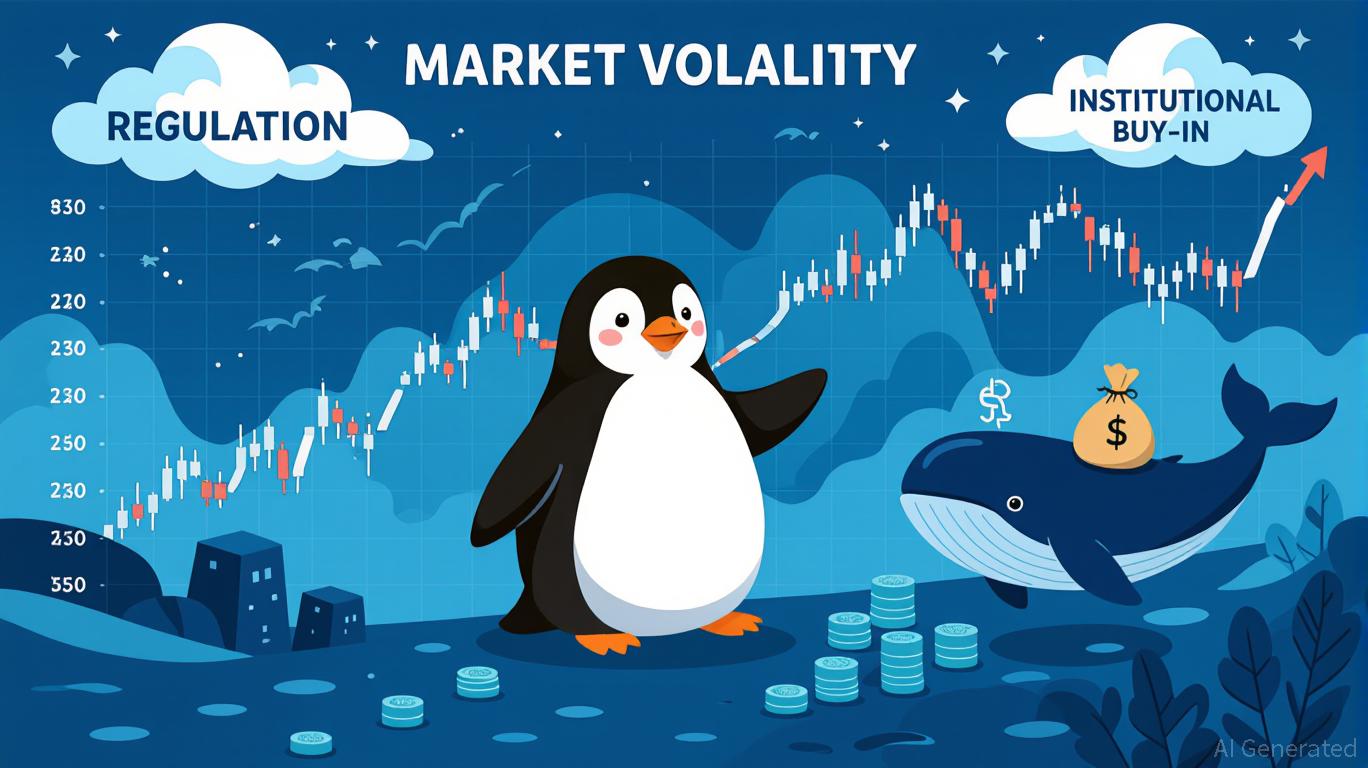
PENGU Price Forecast for 2025: Steering Through Regulatory Challenges and Growing Institutional Confidence
- Pudgy Penguins (PENGU) faces regulatory uncertainty from SEC delays and EU MiCA, causing 30% price drops due to compliance risks. - Institutional interest grows with $273K whale accumulation and rising OBV, contrasting retail fear (Fear & Greed Index at 28). - Ecosystem expansion via Pudgy World and penguSOL, plus Bitso partnership, aims to boost utility but depends on user adoption and regulation. - Expert forecasts diverge: $0.02782 (CoinCodex) vs. $0.068 (CoinDCX), with technical analysis highlighting
PENGU USDT Selling Indicator and What It Means for Stablecoin Approaches
- PENGU/USDT's 2025 collapse triggered $128M liquidity shortfall, exposing systemic risks in algorithmic stablecoins. - Technical indicators (RSI 40.8, bearish MACD) and 52.55% 30-day price drop signal deepening market distrust. - Regulatory frameworks (GENIUS Act, MiCA) and AI-driven risk analytics emerge as critical responses to algorithmic vulnerabilities. - Experts urge hybrid models combining CBDC stability with AI governance to address algorithmic stablecoins' inherent fragility.
Hyperliquid (HYPE) Token: Analyzing the Drivers and Longevity Behind Its Latest Price Rally
- Hyperliquid's HYPE token surged to $42.03 in 2025 from $3.20, driven by product upgrades (HyperEVM, HyperCore) and institutional adoption. - Strategic partnerships with Anchorage Digital and Circle , plus regulatory compliance, boosted credibility and decentralized trading volume (73% market share by 2025). - Bitcoin's $123k high in July 2025 correlated with HYPE's peak, reflecting broader crypto market optimism for low-fee decentralized futures infrastructure. - Sustainability risks include token unlock

Trending news
MoreCrypto prices
More





