
[Long Post] What benefits does upgrading Fusaka to Ethereum bring?

Chainfeeds Guide:
A more mature, robust, and efficient Ethereum that also features institutional scalability, dual-track L1+L2 development, and micro-deflationary value capture—does it deserve your renewed faith?
Source:
Author:
Haotian
Opinion:
Haotian: 1) L2 costs have been significantly reduced. Currently, the main expense for L2 is the DA cost of publishing data to L1. Fusaka expands capacity by 8x through Blob + PeerDAS random sampling verification, slashing L2 costs by more than half. Many people have become desensitized to L2 fee reductions, believing that the main bottleneck for L2 is ecosystem activity and that simply lowering fees is meaningless. However, if we move away from the mindset of generic L2s and look from the perspective of Specific application chains, the significance is completely different. For example: Arbitrum’s fee reduction directly stimulates its RWA infrastructure activity, @base’s further fee reduction benefits the x402 payment ecosystem, and the upcoming MegaETH will directly boost high-frequency DeFi and gaming application scenarios. The market should not only focus on how much L2 fees have dropped, but also on which high-frequency application scenarios are being activated due to lower costs. 2) Blob fee market normalization and renewed ETH Burn expectations. After the Dencun upgrade, Blob fees dropped, causing the mainnet to temporarily lose its ability to be fed by L2s, and Ethereum shifted from a deflationary state to slight inflation. Fusaka introduces a minimum Blob base fee (EIP-7918), meaning that even if Blob demand is low, L2s must still pay a minimum toll, and ETH burning must continue. This is actually a return to normalcy; once the post-upgrade daily ETH burn returns to pre-Dencun levels, the anticipated ETH deflationary trajectory will not be far off, and the long-term narrative of ETH as a global settlement layer value anchor will be able to take root. 3) Gas Limit raised to 60M, significantly improving L1 throughput. In the current narrative where public chains boast 100,000+ TPS, people are naturally indifferent to Ethereum increasing TPS by a few dozen or a hundred. But don’t forget, the Ethereum you once criticized is actually about to increase TPS, and has shifted from a laid-back pace to explosive execution efficiency. The key is that it’s about to go head-to-head with Solana, and combined with its long-term strategy of simplifying and enhancing L1 performance, how can you not give it a thumbs up! Essentially, Ethereum previously had a single-leg Rollup Centric strategy, overly constrained by the L2 track, but now with a dual-track approach of L1 settlement + L2 execution, there is more flexibility and imagination.
Source of contentDisclaimer: The content of this article solely reflects the author's opinion and does not represent the platform in any capacity. This article is not intended to serve as a reference for making investment decisions.
You may also like
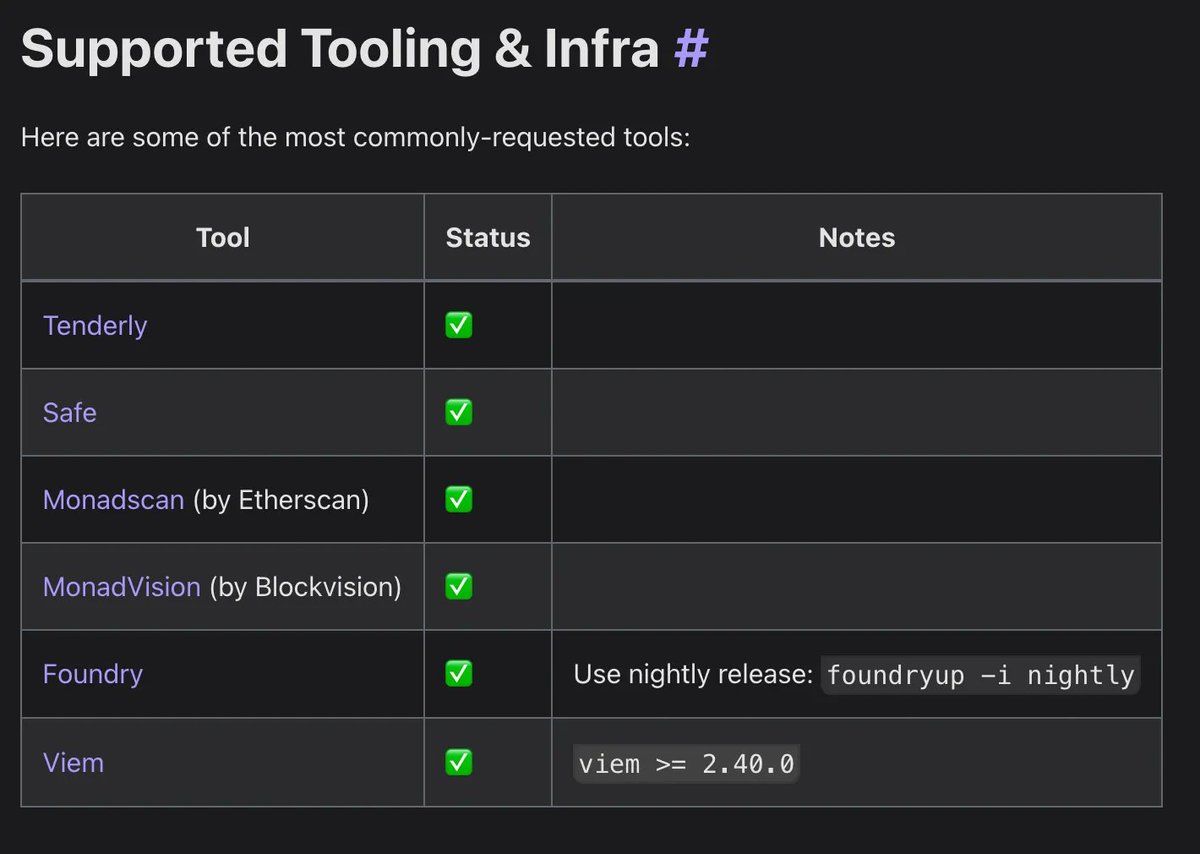
Monad Practical Guide: Welcome to a New Architecture and High-Performance Development Ecosystem
This article will introduce some resources to help you better understand Monad and start developing.
Alphabet’s TPUs Emerge as a Potential $900 Billion Chip Business
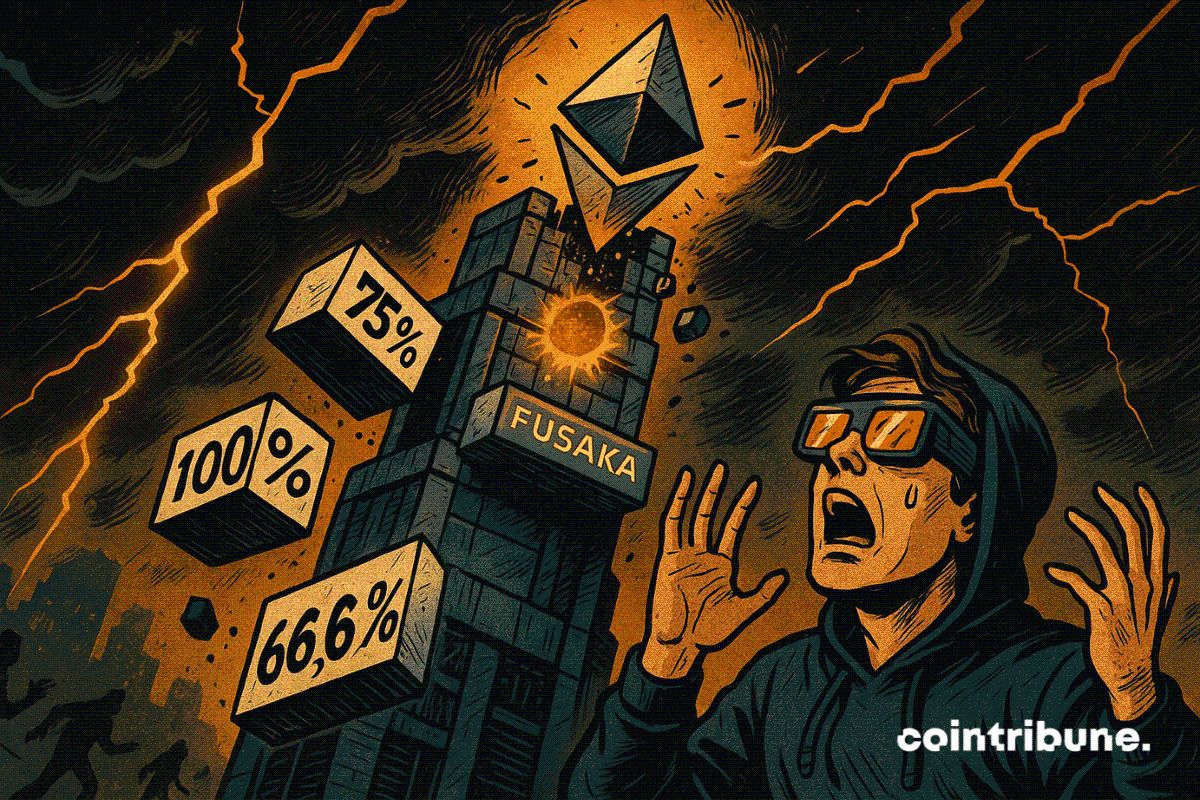
Ethereum Loses 25% of Validators After Fusaka: The Network Nears a Critical Failure
US Stablecoin Rules Are Splitting Global Liquidity, CertiK Warns

Trending news
MoreCrypto prices
More





