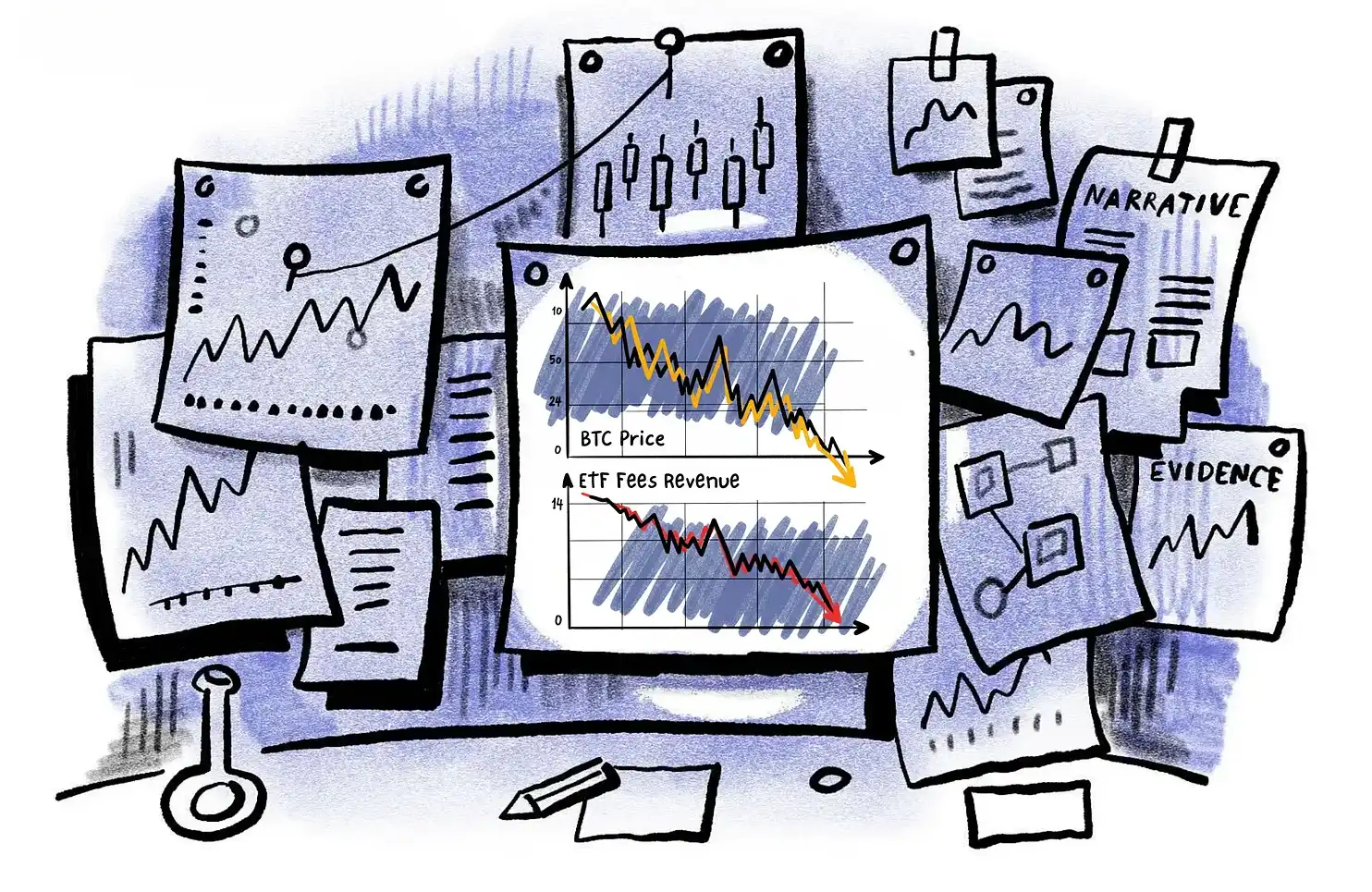
The cryptocurrency market experienced a sudden jolt as the Bitcoin price fell below the critical $93,000 threshold. According to real-time data from Bitcoin World market monitoring, BTC is now trading at $92,994.6 on the Binance USDT market. This movement has sent ripples through the crypto community, prompting investors to ask: what’s driving this shift, and should you be concerned?
What Caused the Bitcoin Price to Drop Below $93,000?
Market analysts point to several converging factors for this Bitcoin price correction. First, a wave of profit-taking emerged after a sustained period of gains. Many investors who bought at lower levels decided to secure their profits, increasing selling pressure. Second, broader macroeconomic concerns, including potential interest rate adjustments, often create volatility in risk assets like cryptocurrency. Finally, technical analysis indicates that BTC was testing a key resistance level, and the failure to break through triggered this pullback.
Is This a Normal Market Correction?
Absolutely. Volatility is a fundamental characteristic of the cryptocurrency market. Periodic corrections are healthy and necessary for sustainable long-term growth. Therefore, a dip in the Bitcoin price should not be viewed in isolation. Historically, Bitcoin has experienced numerous similar corrections before resuming its upward trajectory. The key for investors is to understand the context rather than react to short-term noise.
Consider these common triggers for Bitcoin price movements:
- Profit-Taking: Investors selling to realize gains after a rally.
- Macro News: Global economic data or regulatory announcements.
- Technical Levels: Price hitting predefined support or resistance zones.
- Market Sentiment: Shifts in overall investor fear or greed.
What Should Investors Do Now?
Instead of panic-selling, savvy investors see this as a moment for strategic assessment. Here are actionable insights:
- Review Your Portfolio: Ensure your asset allocation still matches your risk tolerance.
- Dollar-Cost Average (DCA): Consider using a DCA strategy to accumulate assets during dips, smoothing out your entry price.
- Focus on Fundamentals: The core value proposition of Bitcoin—decentralization, scarcity, and security—remains unchanged by daily price swings.
The Bigger Picture for Bitcoin’s Future
While the current Bitcoin price action captures headlines, the long-term narrative remains robust. Institutional adoption continues, network security is at all-time highs, and its role as a digital store of value is increasingly recognized. This price drop may simply be a temporary recalibration within a much larger, bullish cycle.
In conclusion, the drop below $93,000 is a significant market event that highlights the inherent volatility of crypto. However, it is not an anomaly. By focusing on fundamentals, employing sound strategies like DCA, and maintaining a long-term perspective, investors can navigate these fluctuations. The journey of Bitcoin is defined by its resilience, and today’s price is just one data point in that ongoing story.
Frequently Asked Questions (FAQs)
Q1: How low could the Bitcoin price go after this drop?
A: Predicting exact price floors is difficult. However, analysts watch key support levels around $90,000 and $88,000. Market sentiment and broader economic conditions will determine if the decline deepens or finds stability.
Q2: Is now a good time to buy Bitcoin?
A: For investors with a long-term horizon, price dips can present buying opportunities, especially when using a Dollar-Cost Averaging (DCA) strategy. However, always conduct your own research and never invest more than you can afford to lose.
Q3: Does this price drop mean the bull market is over?
A> Not necessarily. Bull markets are typically punctuated by several sharp corrections. A single drop does not define a trend reversal. The overall market structure and fundamental adoption metrics are more important indicators.
Q4: What’s the main difference between a correction and a crash?
A: A correction is a short-to-medium-term price decline, typically 10% or more from a recent peak, within an ongoing trend. A crash is a sudden, severe, and sustained collapse in prices, often signaling the end of a bull market. Current conditions align more with a correction.
Q5: Where can I reliably track the live Bitcoin price?
A: Reputable sources include major exchange data (like Binance, Coinbase), aggregated price tracking websites (CoinMarketCap, CoinGecko), and dedicated market analysis platforms like Bitcoin World for contextual insights.
To learn more about the latest Bitcoin trends, explore our article on key developments shaping Bitcoin price action and long-term institutional adoption.