
Firelight launches XRP staking protocol on Flare, with stXRP planned to earn rewards through DeFi insurance

Quick Take Firelight has launched an XRP staking protocol on the Flare network that issues stXRP, a liquid token intended to support a DeFi insurance model. This is Phase 1 of the rollout, so staking rewards aren’t live yet; they are expected to begin in Phase 2 if DeFi protocols choose to adopt Firelight’s onchain cover system.

Firelight Finance has launched an XRP staking protocol on the Flare network, introducing a liquid token called stXRP that aims to earn rewards through a DeFi insurance model.
The launch represents Phase 1 of the rollout. Users can bridge XRP to Flare through the FAssets system, deposit FXRP (Flare’s wrapped version of XRP) into Firelight, and receive stXRP on a 1:1 basis. stXRP can already move across the Flare ecosystem, but staking rewards are not active yet. Firelight expects rewards to begin in Phase 2 — planned for early 2026 — if DeFi protocols adopt the insurance model and pay fees for coverage.
Firelight’s design borrows the idea behind restaking — reusing crypto assets to secure applications — but applies it differently from early Ethereum-based attempts such as EigenLayer. Firelight’s chief security officer, Connor Sullivan, formerly at Fireblocks, told The Block the main issue with earlier restaking frameworks was the cost of capital.
“Firelight keeps the key concept [of restaking], that you can reuse capital to bootstrap security, but changes how it’s applied,” Sullivan said. “We focus on assets with a structurally lower cost of capital, like XRP, instead of trying to outcompete ETH DeFi yields. We narrow in on a single, high-conviction use case: DeFi cover and insurance for top-tier protocols, where proper risk modeling actually matters. And we rethink incentives: short, transparent points programs tied to real participation and real economic value.”
Firelight's stXRP functions as a liquid receipt for users’ deposits and can already be used across the Flare ecosystem, including on decentralized exchanges, in lending protocols, and liquidity pools. Participants in the initial vault will also receive Firelight Points, intended to reward early protocol participation ahead of the Phase 2 launch.
Firelight said its broader goal is to give XRP holders a way to earn staking rewards while offering DeFi protocols an insurance layer against hacks and failures. But Sullivan agreed that the model only works if protocols actually choose to purchase this cover — which he said is where Sentora, Firelight’s incubator and main technical contributor, plays a key role.
stXRP for DeFi insurance?
Firelight is incubated by Sentora — formed through the merger of IntoTheBlock and Trident Digital — and the Flare network, which provides the underlying infrastructure. Both are backed by Ripple and aim to build out XRP’s role in DeFi .
Sullivan said Sentora has long worked with major DeFi protocols through risk-management strategies and liquidity programs, supporting billions of dollars in total value locked. “Our clients are institutions looking to earn yield through DeFi, and one of the biggest hurdles they face is the absence of this specific cover primitive,” Sullivan said. "DeFi cover is an essential feature, not a nice-to-have."
Sullivan said Firelight is in active discussions with several DeFi protocols about integrating the cover system. If protocols adopt it, they will pay fees to purchase protection backed by the pooled FXRP inside Firelight. A portion of those fees would then be distributed to XRP stakers as rewards.
Although Firelight is built on Flare, the system is chain-agnostic. "Any protocol on any chain can integrate with Firelight and purchase cover, not just those on XRPL or Flare," Sullivan said.
If a covered incident occurs, a claim would be submitted by an appointed agent and reviewed by an independent consortium. If approved, payouts are executed automatically through onchain contracts.
Sullivan said Firelight is currently focused on building liquidity for the cover module, with full cover functionality set to go live in Phase 2. He declined to share a target range for rewards but said the goal is to find a “fair balance” between staker returns and the cost of capital for protocols buying cover.
Disclaimer: The content of this article solely reflects the author's opinion and does not represent the platform in any capacity. This article is not intended to serve as a reference for making investment decisions.
You may also like
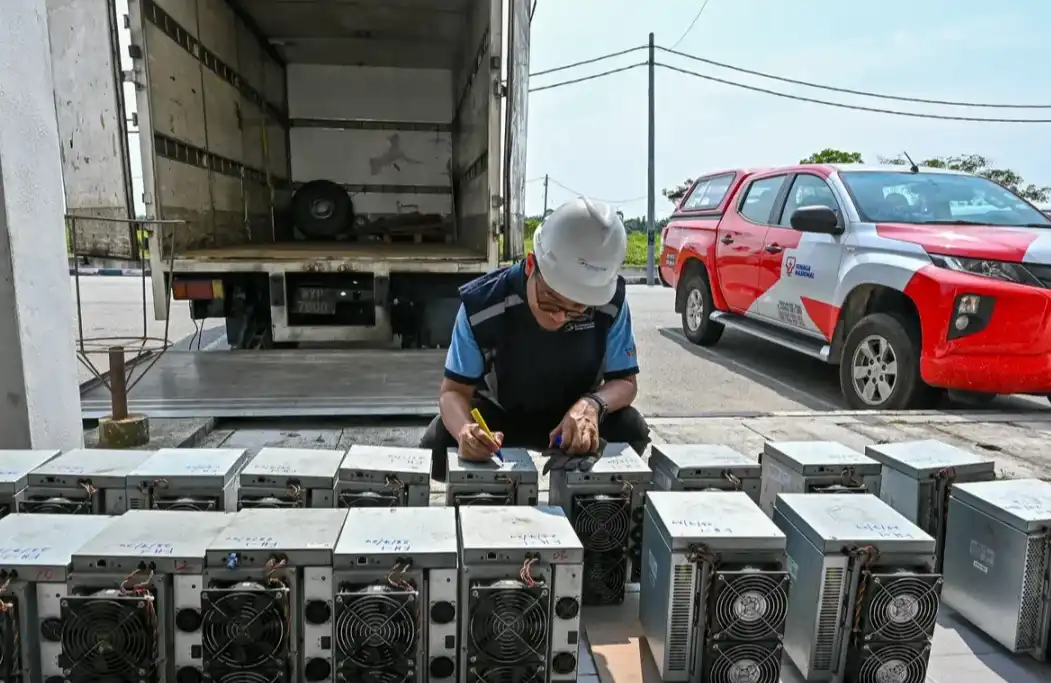
Bloomberg: Power Theft Exceeds $1 Billion as Malaysia Bitcoin Mining Rigs Overwhelm
Malaysia has uncovered approximately 14,000 illegal cryptocurrency mining sites in the past five years, causing the state-owned power company losses of over $1.1 billion. In response, the local government established a special committee in November 2025 to consider a total ban on mining,
ProShares Withdraws 3x Leveraged Crypto and Tech ETF Plans After SEC Raises Concerns
PENGU Price Rally Explained: Is a Bigger Breakout on the Horizon?

SHIB Jumps 21% to $0.000009463: Analysts Eye Possible Zero Cut

Trending news
MoreCrypto prices
More





