
A security incident involving analytics leader Mixpanel raises numerous unresolved issues
Mixpanel’s Data Breach: A Lesson in Poor Disclosure
Just before the U.S. Thanksgiving holiday, analytics company Mixpanel revealed a cybersecurity incident in a manner that may serve as a cautionary tale for how not to communicate a data breach.
On the Wednesday before the holiday, Mixpanel CEO Jen Taylor published a brief blog post stating that the company had discovered a security issue on November 8. The announcement was vague, providing no details about the nature or scale of the breach, nor how customers were impacted. Taylor only mentioned that Mixpanel had taken steps to remove unauthorized access.
Despite repeated attempts by TechCrunch to get more information—including questions about whether Mixpanel received any ransom demands or if employee accounts were protected by multi-factor authentication—Taylor did not respond.
OpenAI, one of Mixpanel’s clients, later published its own statement confirming that customer data had indeed been compromised, a fact Mixpanel had not clearly disclosed.
According to OpenAI, the breach affected users who rely on its products through apps or websites, as Mixpanel’s software was used to analyze user interactions on OpenAI’s platforms, such as developer documentation. The stolen data included users’ names, email addresses, approximate locations based on IP addresses, and certain device details like operating system and browser version. This type of information aligns with what Mixpanel typically collects from users as they interact with apps and websites.
OpenAI spokesperson Niko Felix clarified that the compromised data did not include advertising identifiers like Android’s advertising ID or Apple’s IDFA, which could have made it easier to personally identify users or link their activity across different services.
OpenAI also noted that ChatGPT users were not directly affected and that it has since stopped using Mixpanel’s services due to the breach.
Growing Concerns Over Data Analytics Security
Although many details remain unknown, this incident highlights the risks associated with the data analytics sector, which thrives on collecting extensive information about how people use digital services.
How Mixpanel Monitors User Behavior
Mixpanel is a major player in web and mobile analytics, though it may not be widely recognized outside of tech and marketing circles. The company claims to serve around 8,000 businesses—now one fewer after OpenAI’s departure.
Given that each Mixpanel client could have millions of users, the number of individuals whose data was exposed could be substantial. The specific data compromised likely varies depending on how each client set up their data collection.
Analytics providers like Mixpanel supply tracking tools that help businesses understand user engagement with their apps and websites. This means they can gather and store enormous volumes of data—potentially billions of data points—about everyday users.
Typically, developers embed Mixpanel’s code into their apps or websites to monitor user actions. For users, this can feel like being observed without their knowledge, as every interaction—click, tap, swipe, or link press—is sent back to the company behind the app or website.
TechCrunch used open-source tools like Burp Suite to examine data sent from several apps using Mixpanel, including Imgur, Lingvano, Neon, and Park Mobile. The analysis revealed that a wide range of device and activity data was transmitted to Mixpanel during app usage.
- Actions such as opening the app, clicking links, or signing in
- Device details (e.g., type, screen size, network connection)
- User identifiers and event timestamps
Sometimes, sensitive information is inadvertently collected. In 2018, Mixpanel acknowledged that its analytics code had unintentionally captured user passwords.
Privacy Risks and User Tracking
Analytics companies claim to pseudonymize collected data, replacing personal identifiers with random codes. However, this process is not foolproof—pseudonymized data can sometimes be re-identified, and device information can be used for “fingerprinting,” allowing tracking across different apps and websites.
By monitoring user activity across multiple platforms, analytics firms enable their clients to build detailed profiles of individuals and their behaviors.
Session Replays and Sensitive Data
Mixpanel also offers “session replay” features, which visually reconstruct how users interact with an app or website to help developers identify issues. While these replays are supposed to exclude sensitive data like passwords and credit card numbers, mistakes can occur. Mixpanel has admitted that session replays have sometimes captured information that should have been excluded. In 2019, Apple took action against apps using screen recording code after such practices came to light.
Ongoing Questions and Industry Implications
The full scope of Mixpanel’s breach remains unclear, including the types of data involved and the number of affected individuals. It’s possible that even Mixpanel does not yet have all the answers.
What is certain is that companies like Mixpanel hold vast amounts of data about how people use digital services, making them attractive targets for cybercriminals.
Disclaimer: The content of this article solely reflects the author's opinion and does not represent the platform in any capacity. This article is not intended to serve as a reference for making investment decisions.
You may also like
Bitcoin Leverage Liquidations and Systemic Risks in Cryptocurrency Markets: Analyzing the Causes and Impacts of 2025 Market Turbulence
- 2025 Bitcoin's November crash erased $800B in value as high-leverage liquidations amplified volatility, exposing systemic risks in crypto markets. - Trump's proposed China tariffs and synthetic stablecoin de-pegging triggered cascading liquidations, with $19B wiped in one day during October's crisis. - 392,000 traders lost $960M in 24 hours as fragmented order books and concentrated ownership worsened liquidity crunches during November's collapse. - Regulators highlight 11/28 jurisdictions with finalized

Why Bitcoin Price Is Down Today: The Unexpected Market Move No One Saw Coming
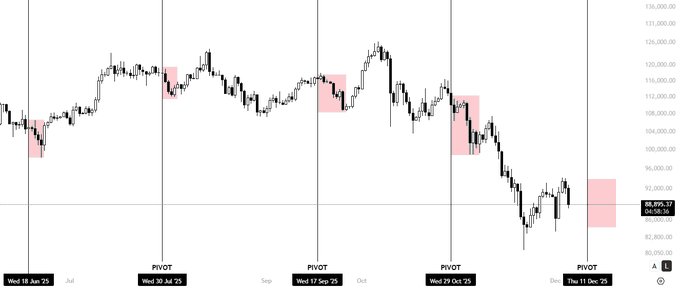
Crypto Market Panic Grows as Fear Index Hits Extreme Lows, Is Bitcoin Entering a Bear Market?
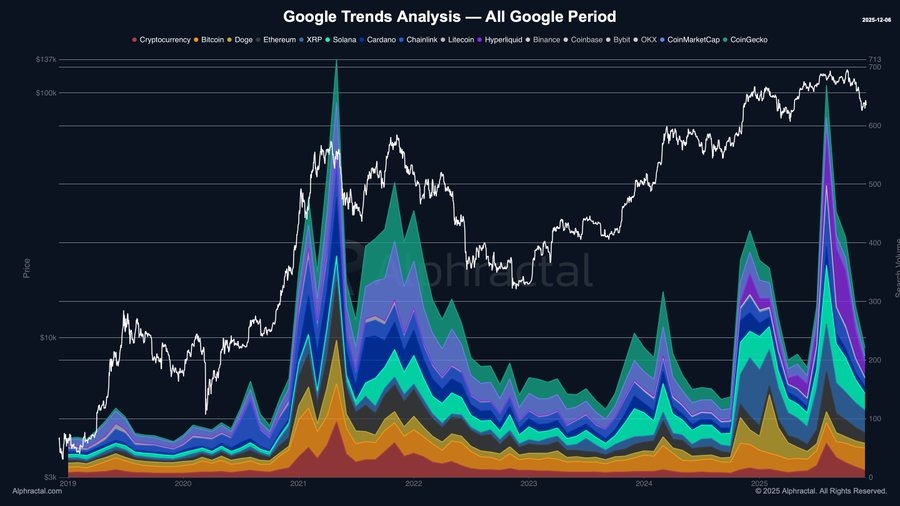
Algorand (ALGO) Gains 1.76% Over the Past Week Despite Market Fluctuations
- Algorand (ALGO) rose 1.76% weekly to $0.1326 but fell 60.33% annually amid broader crypto market declines. - ApeX Protocol's Dec 12 delisting of BABY/HOME tokens risks liquidity shocks, indirectly affecting ALGO market sentiment. - Other fintech/entertainment events had no direct impact on ALGO's price or trading dynamics. - Analysts highlight ALGO's long-term potential in DeFi despite bearish 1-month/1-year trends and macroeconomic uncertainties.

Trending news
MoreCrypto prices
More





