
Navigating the Obstacles of Security and Accessibility in Cryptocurrency Trading Platforms
- 2025 crypto trading emphasizes innovation and investor protection through advanced security and education. - Platforms like Kraken/Binance use FIDO2 MFA, cold storage, and AI fraud detection to secure assets against evolving threats. - Investor education programs (Udemy, FINRA) teach technical analysis, compliance, and tools like Elliptic/Nansen for risk assessment. - Due diligence requires evaluating MFA standards, audit transparency, regulatory compliance, and community feedback to assess platform reli
Crypto Trading in 2025: Innovation Meets Investor Protection
The world of cryptocurrency trading in 2025 is defined by rapid technological progress and a heightened emphasis on safeguarding investors. As digital assets become increasingly mainstream, the importance of strong security protocols and informed investment choices grows. To navigate this landscape, investors must understand the security measures of trading platforms and make use of educational tools to minimize risks and ensure lasting trust. This overview delves into the latest security advancements, the significance of investor education, and practical methods for assessing the reliability of crypto trading platforms.
Advanced Security: Raising the Bar for Asset Protection
Today’s leading crypto exchanges utilize sophisticated, multi-layered security systems to protect user funds. Multi-factor authentication (MFA), especially FIDO2-compliant two-factor authentication, is now a standard feature, replacing less secure SMS verification methods that are susceptible to SIM-swapping. Customizable session timeouts further reduce the risk of unauthorized access by limiting how long accounts remain active without user input.
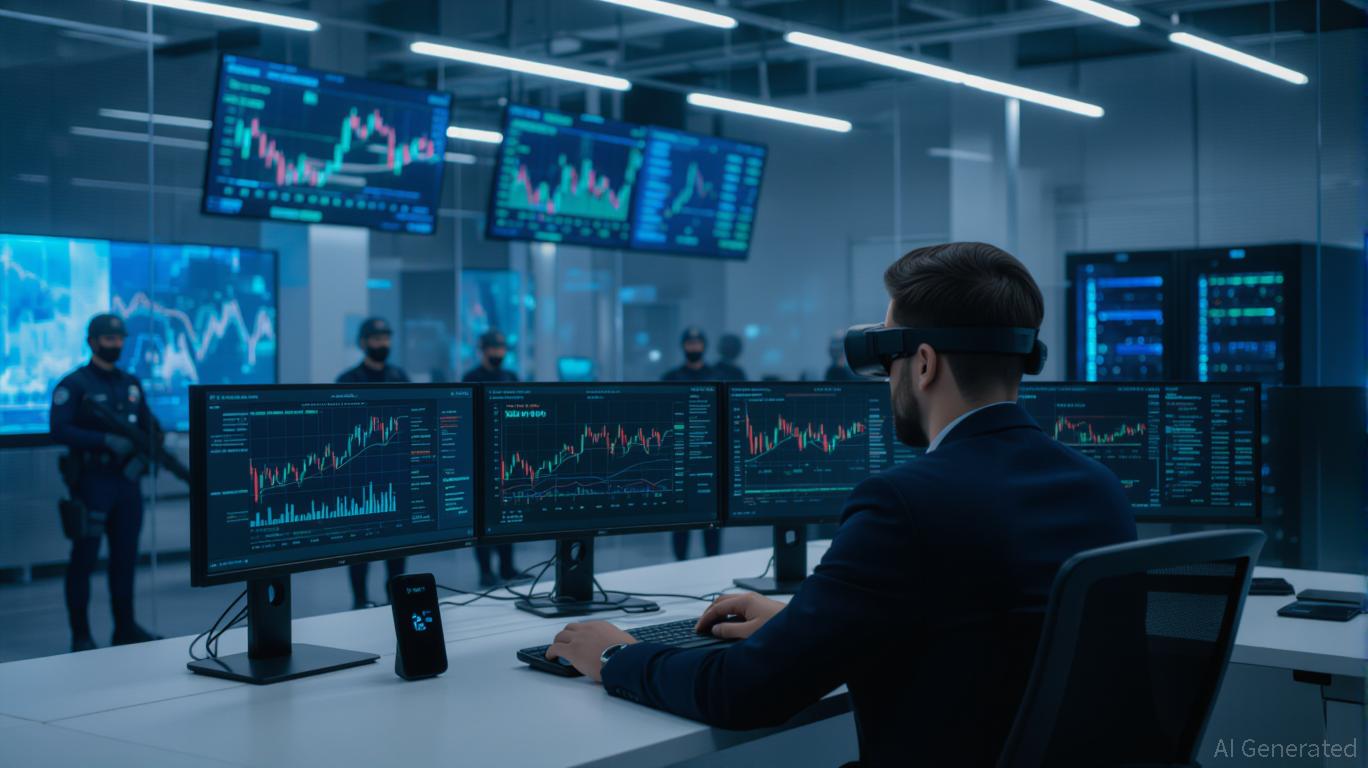
Cold storage continues to be the most reliable method for securing digital assets. Major platforms, including Kraken and Binance, keep the majority of user holdings offline in highly secure facilities, often monitored around the clock by security personnel and surveillance systems. Data is protected through end-to-end encryption and SSL protocols, ensuring privacy during both storage and transfer. Artificial intelligence is increasingly used to detect suspicious activities, such as unusual login attempts or irregular withdrawals, addressing both technical and human vulnerabilities.
Security measures are constantly evolving. The growth of decentralized finance (DeFi) has led exchanges to commission independent audits of smart contracts from firms like CertiK and SlowMist, helping to prevent code-based exploits. Adherence to global standards, such as anti-money laundering (AML) and know-your-customer (KYC) regulations, further reinforces trust and compliance within the industry.
Empowering Investors: The Role of Education
While platforms strengthen their defenses, investors must also take responsibility for evaluating platform safety. The recent boom in crypto education reflects this need. Online learning platforms like Udemy and Coursera offer comprehensive courses covering topics such as technical analysis, market behavior, and regulatory issues. These resources are invaluable for newcomers, clarifying essential concepts like withdrawal whitelisting and the importance of cold storage.
For more experienced traders, specialized courses in algorithmic trading—such as those focused on Python and Binance—teach how to automate risk management. Prestigious universities, including the University of Michigan and Princeton, now offer formal programs in blockchain technology, bridging academic theory with real-world application. Regulatory organizations like FINRA provide training on compliance and fraud prevention, equipping professionals with up-to-date regulatory knowledge.
One area where investor education is still developing is in platform assessment. Programs like TRM Academy teach participants how to conduct on-chain investigations and evaluate transparency. Analytical tools from companies such as Elliptic and Nansen help investors monitor network health and identify illicit activities, including money laundering and Ponzi schemes. These resources enable investors to look beyond surface-level statistics and thoroughly examine a platform’s operational strength.
How to Evaluate the Reliability of Crypto Platforms
- Assess Security Infrastructure: Check if the platform uses FIDO2-compliant MFA, the proportion of funds held in cold storage, and whether smart contracts are independently audited. Public audit reports and transparency disclosures, such as those from Kraken, offer valuable insights.
- Review Regulatory Compliance: Platforms that follow AML and KYC rules demonstrate a commitment to legitimacy. FINRA’s educational programs stress the importance of verifying a platform’s regulatory status and jurisdiction.
- Use Analytical Tools: Employ blockchain analytics from providers like Elliptic to spot suspicious activity, and use Nansen’s tools to track institutional trading strategies and market movements.
- Engage with the Community: Participate in forums, read whitepapers, and consider user feedback to uncover potential weaknesses. Notable incidents, such as the 2025 North Korean ByBit hack, highlight the ongoing need for vigilance—a topic often discussed at industry events like the Crypto and Web3 Compliance Symposium.
Final Thoughts
The ever-changing crypto environment requires both robust security from platforms and proactive learning from investors. By combining technical expertise, regulatory understanding, and analytical skills, investors can confidently navigate the challenges of crypto trading in 2025. The ongoing partnership between innovative platform development and comprehensive investor education will continue to be the cornerstone of sustainable growth in the digital asset sector.
Disclaimer: The content of this article solely reflects the author's opinion and does not represent the platform in any capacity. This article is not intended to serve as a reference for making investment decisions.
You may also like
DASH Increases by 2.44% as Significant Insider Selling and Purchase Indicators Emerge
- DASH rose 2.44% in 24 hours to $50.1, showing a 31.63% annual gain despite a 11.79% seven-day drop. - High-ranking insiders sold millions via 10b5-1 plans, including $9. 3M by Stanley Tang and $6.19M by Andy Fang. - Alfred Lin’s $100.2M purchase signaled confidence, contrasting with other sales and suggesting undervaluation. - Market reacted positively short-term, but analysts expect macroeconomic and business fundamentals to support DASH ahead.

BCH Rises 36.52% Over the Past Year as Network Enhancements and Improved Mining Efficiency Drive Growth
- Bitcoin Cash (BCH) rose 36.52% in a year due to network upgrades and improved mining efficiency. - Growing merchant adoption boosts real-world use cases, enhancing BCH’s practical appeal. - Analysts predict continued momentum from stable updates and adoption efforts amid crypto volatility. - Recent stability, with no major forks, strengthens investor confidence in BCH’s scalability.

Why is COAI experiencing a downturn towards the end of 2025
- COAI token and index collapsed in late 2025 due to deteriorating market fundamentals, governance failures, and regulatory uncertainty. - C3 AI's Q3 2025 revenue growth (26% YoY) was overshadowed by Q1 2026 revenue decline (20% YoY) and leadership instability, eroding investor trust. - Token centralization (87.9% in ten wallets) and lack of transparent governance exacerbated liquidity crises and manipulation risks. - The CLARITY Act's ambiguity and jurisdictional loopholes deepened uncertainty, deterring
BCH Surges 35.88% Over the Past Year as Institutions Embrace It and Network Improvements Roll Out
- Bitcoin Cash (BCH) rose 35.88% in a year amid growing institutional adoption and network upgrades. - Recent protocol upgrades improved scalability and security, boosting transaction speeds by 20%. - Regulatory clarity and increased fintech adoption have enhanced BCH’s legitimacy and investor confidence. - Sustained developer activity in open-source projects highlights ongoing efforts to optimize smart contracts and interoperability.
Trending news
MoreCrypto prices
More






