
Global Authorities Take Different Approaches: Balancing Stablecoin Development and Risk Management
- Global regulators diverge on stablecoin oversight, balancing innovation with risks like money laundering and volatility. - China classifies stablecoins as virtual currency under strict controls but avoids criminalizing them, contrasting PBOC's outright ban on crypto activities. - South Korea delays stablecoin regulations amid governance debates, while Central Asia adopts sandboxes to integrate stablecoins into financial systems. - EU's MiCA rules and Hong Kong's licensing systems aim to formalize stablec
Global Perspectives on Stablecoin Regulation
The legal treatment of stablecoins continues to spark debate worldwide, with recent events highlighting a variety of regulatory strategies. In China, Zhao Binghao, who leads the Institute of Fintech Law at China University of Political Science and Law, explained that stablecoins are classified as virtual currencies and fall under regulatory scrutiny. However, they are not considered criminally prohibited items. This approach reflects a preference for regulatory management rather than outright prohibition.
Despite this nuanced view, the People’s Bank of China (PBOC) has reaffirmed its uncompromising stance, declaring that virtual assets—including stablecoins—hold no legal recognition and are deemed illegal financial activities. The PBOC has cited concerns such as money laundering and cross-border financial manipulation, reinforcing its 2021 decision to ban cryptocurrency trading and mining.
South Korea’s Balancing Act
South Korea is currently striving to strike a balance between fostering innovation and managing risk. The Financial Services Commission (FSC) faces mounting pressure to establish a regulatory framework for stablecoins by December 10, 2025, with lawmakers threatening to act independently if progress stalls. The Bank of Korea (BOK) has recommended that banks take the lead in issuing stablecoins to help safeguard financial stability, a proposal that has delayed regulatory consensus. This cautious stance follows the collapse of Terra in 2022, which heightened worries about stablecoin volatility and governance challenges.
Central Asia’s Progressive Approach
In contrast, Central Asian nations are moving forward with stablecoin adoption as part of broader financial reforms. Uzbekistan has approved the use of stablecoins for payments and tokenized securities within a regulatory sandbox set to launch in January 2026. Overseen by the National Agency for Perspective Projects and the central bank, this initiative aims to build a payment system based on distributed ledger technology while maintaining robust oversight. Similar advancements are underway in Kyrgyzstan and Kazakhstan, where authorities are developing stablecoin regulations and piloting central bank digital currencies (CBDCs).
International Regulatory Landscape
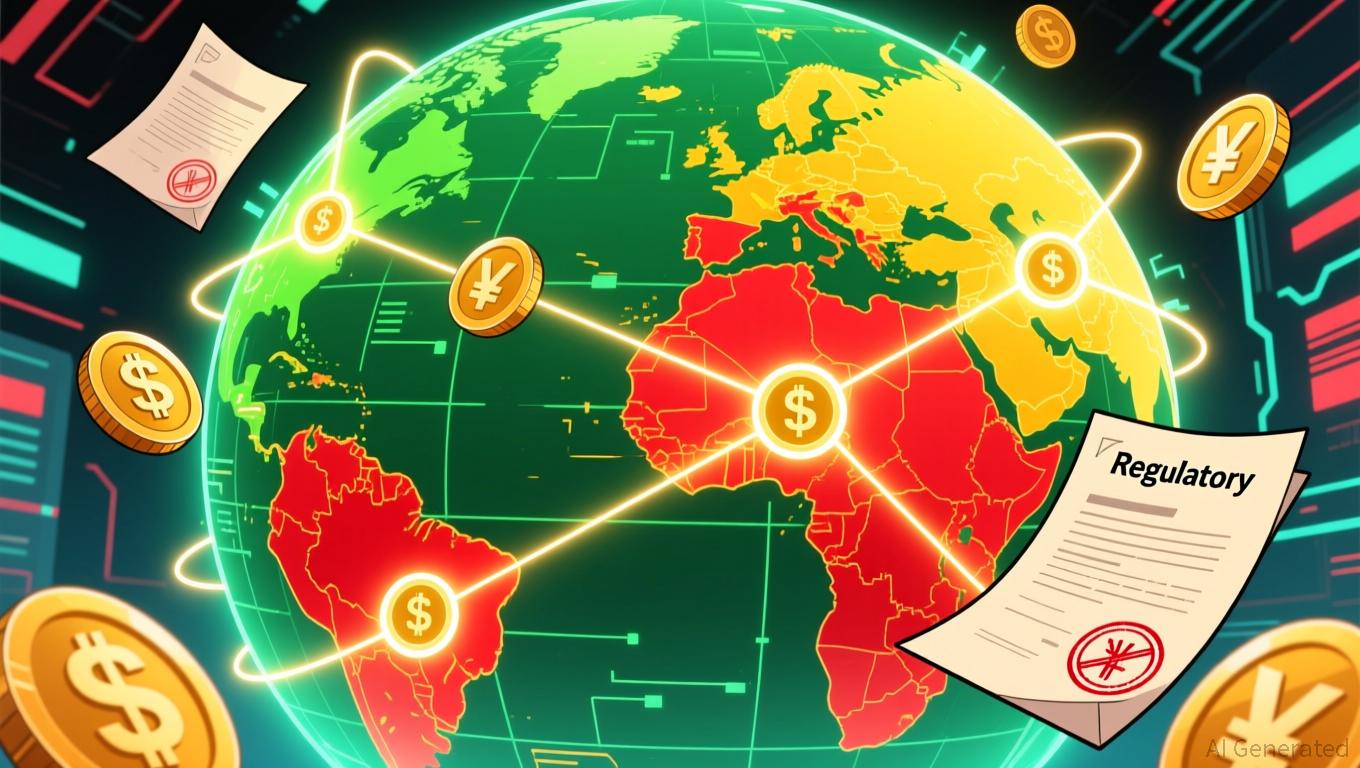
Divergent regulatory approaches remain evident on the global stage. The European Union’s MiCA regulations, the U.S. GENIUS Act, and Hong Kong’s licensing regime all represent efforts to formally integrate stablecoins into established financial systems. In contrast, China’s ongoing prohibition stands in stark relief, highlighting the challenge of reconciling innovation with effective risk management.
Expert Insights and Future Outlook
Chinese legal experts emphasize that, while stablecoins are not inherently criminal, their potential risks demand rigorous oversight. This perspective is mirrored in Uzbekistan’s sandbox model, which encourages innovation within a tightly controlled environment. Meanwhile, South Korea’s slow regulatory progress and China’s strict policies reflect broader concerns about financial stability and illicit activity. As countries continue to refine their approaches, the trajectory of stablecoins will depend on their ability to adapt to evolving regulatory requirements and navigate international compliance complexities.
Disclaimer: The content of this article solely reflects the author's opinion and does not represent the platform in any capacity. This article is not intended to serve as a reference for making investment decisions.
You may also like
Strategy CEO says only a decades-long slump would force them to sell Bitcoin

Bitcoin and Solana ETFs See Inflows as Ethereum Stumbles
Bitcoin and Solana ETFs gain momentum while Ethereum ETFs face $75M in outflows.Ethereum ETFs Face Heavy OutflowsSolana ETFs Continue to Attract CapitalMarket Sentiment Shows Diverging Trends

Whales Accumulate ETH as Bitcoin Holds Near $90K
Bitcoin remains stable near $90K while whales quietly accumulate Ethereum at lower prices.Ethereum Becomes the Quiet FavoriteWhale Behavior Signals Bullish Outlook

Bitmine Buys 22,676 ETH Worth $68.67M
Bitmine, led by Tom Lee, has acquired 22,676 ETH worth $68.67M, signaling strong confidence in Ethereum's future.Ethereum: Still a Favorite for InstitutionsMarket Reactions and What’s Next

Trending news
MoreCrypto prices
More





