
DeFi's Security Challenges Confront Hong Kong's Efforts to Regulate for International Liquidity
- DeFi protocol Balancer lost $128.6M via a V2 pool exploit, triggering pool pauses and a 4% BAL token drop. - Hong Kong's SFC now allows licensed crypto exchanges to access global liquidity pools, easing ringfenced rules to boost market competitiveness. - Ethereum stablecoins hit $2.82T in October volume, with USDC and USDT dominating as traders seek yields amid market volatility. - Hong Kong's reforms align crypto rules with traditional finance, exempting licensed tokens from trading history requirements
DeFi protocol

At the same time, Hong Kong’s Securities and Futures Commission (SFC) revealed a significant policy update, now permitting locally licensed crypto exchanges to connect with global liquidity pools, as reported by
The new rules, outlined in a regulatory notice, bring crypto trading regulations closer to those for traditional financial assets and provide exemptions for SFC-approved tokens and stablecoins from the usual 12-month trading history rule, according to a
Ethereum’s stablecoin sector reached unprecedented activity in October, with monthly transaction volumes soaring to $2.82 trillion—a 45% jump from September,
These events underscore the contrasting paths within the crypto sector: while DeFi platforms contend with security threats, regulators in Hong Kong and elsewhere are actively developing policies to attract both institutional and retail investors. As the industry faces hacks, regulatory developments, and new applications, liquidity and innovation continue to drive its expansion.
Disclaimer: The content of this article solely reflects the author's opinion and does not represent the platform in any capacity. This article is not intended to serve as a reference for making investment decisions.
You may also like
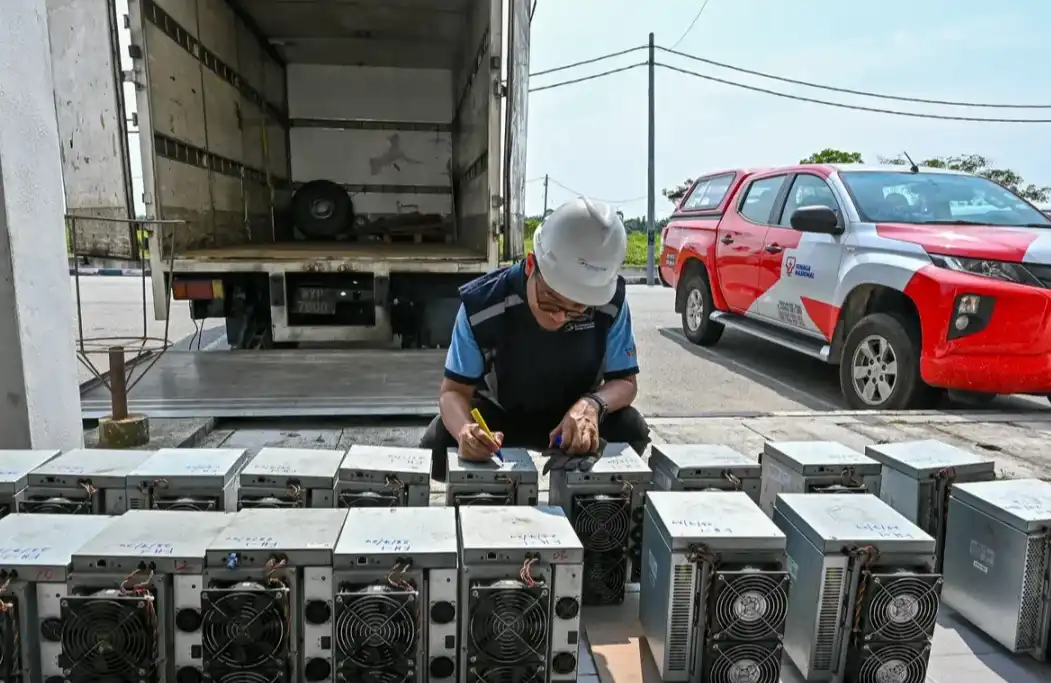
Bloomberg: Power Theft Exceeds $1 Billion as Malaysia Bitcoin Mining Rigs Overwhelm
Malaysia has uncovered approximately 14,000 illegal cryptocurrency mining sites in the past five years, causing the state-owned power company losses of over $1.1 billion. In response, the local government established a special committee in November 2025 to consider a total ban on mining,
ProShares Withdraws 3x Leveraged Crypto and Tech ETF Plans After SEC Raises Concerns
PENGU Price Rally Explained: Is a Bigger Breakout on the Horizon?

SHIB Jumps 21% to $0.000009463: Analysts Eye Possible Zero Cut

Trending news
MoreCrypto prices
More





