
Pardon or Pay-to-Participate? Trump’s Cryptocurrency Decision Ignites Regulatory Divide
- Trump's pardon of Binance founder Zhao sparks global debate on crypto regulation and political influence. - Zhao, who paid $50M fine for AML failures, faces criticism for alleged ties to Trump's crypto ventures. - White House defends decision as overprosecution, while critics accuse administration of "pay-to-play" corruption. - Binance's BNB surged 15% post-pardon, with analysts calling it a potential "game-changer" for U.S. crypto. - Zhao pledged support for Trump's "crypto capital" vision, fueling spec
President Donald Trump’s decision to grant clemency to Changpeng "CZ" Zhao, the founder of Binance, has sparked a worldwide discussion about the regulation of cryptocurrencies, the influence of politics, and the direction of the U.S. digital asset sector. Announced on October 23, 2025, this action represents a significant change in the federal government’s stance on digital currencies. Both detractors and advocates are describing it as a symbolic conclusion to what the
In 2023, Zhao admitted guilt to failing to implement a robust anti-money laundering (AML) system at Binance, resulting in a four-month prison sentence and a $50 million penalty. The platform itself reached a $4.3 billion settlement with U.S. authorities—the largest fine in crypto history—for breaches such as sanctions violations and operating without proper licensing, as detailed in
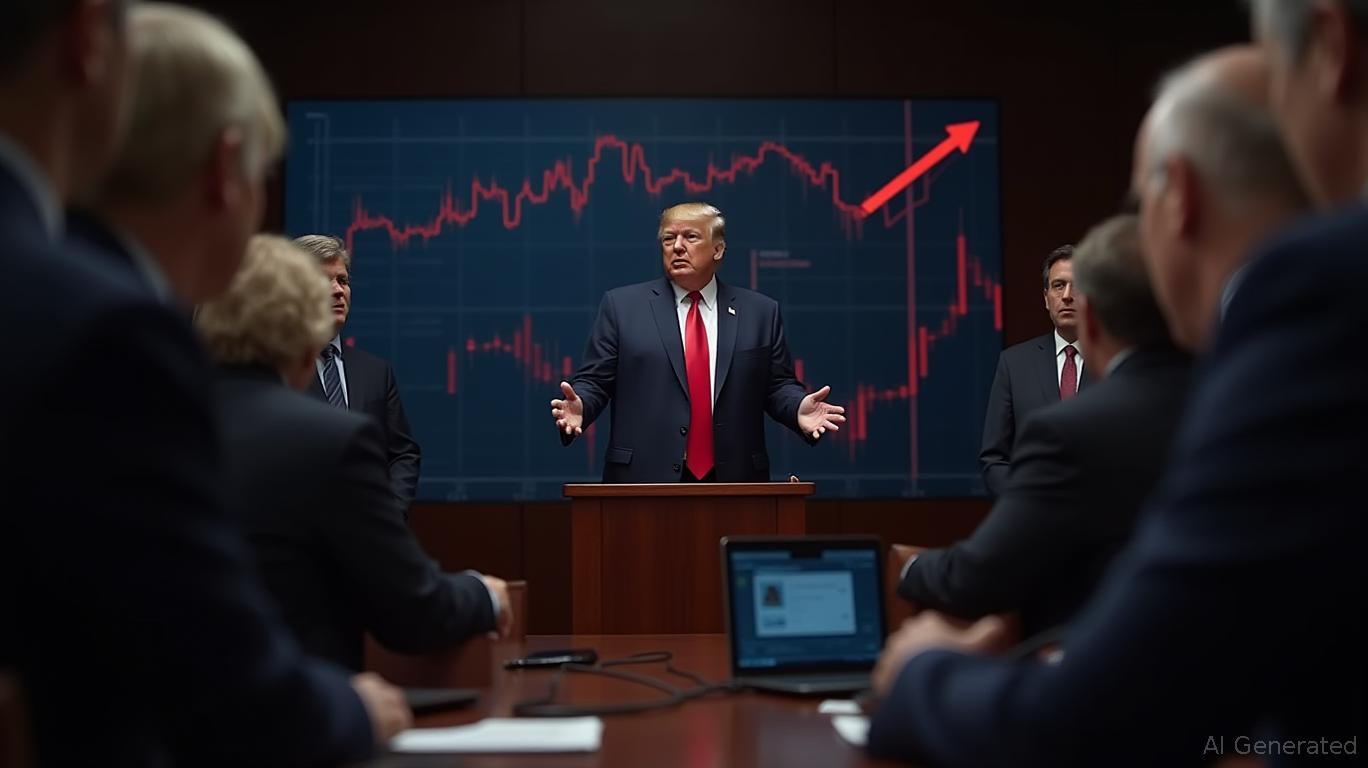
The White House has stood by the pardon, with Press Secretary Karoline Leavitt arguing that Zhao was "overly prosecuted" by the previous administration and that the pardon demonstrates Trump’s dedication to reducing regulation, as previously reported by Coinpaprika. Trump stated that the decision was supported by "many very good people" who believed Zhao’s conduct was not criminal, according to
The pardon has already triggered immediate reactions in the market. Binance’s own token,
Zhao, who still holds a majority stake in Binance, has voiced his appreciation for the pardon and promised to help Trump realize his vision of making the U.S. the "crypto capital," as reported by
As the controversy continues, the pardon highlights the deepening ties between digital assets and politics, with Trump’s administration presenting itself as a proponent of decentralized finance, while critics warn of weakened oversight and ethical concerns.
Disclaimer: The content of this article solely reflects the author's opinion and does not represent the platform in any capacity. This article is not intended to serve as a reference for making investment decisions.
You may also like
Evaluating the Increasing Need for Expertise in AI and Computational Fields: Discovering Investment Prospects in Educational and Training Platforms
- Farmingdale State College (FSC) expands computing programs and partners with Tesla/Amazon to address AI/data science demand. - Edtech firms like Century Tech use AI for personalized STEM learning, aligning with FSC’s need to scale enrollment while maintaining rigor. - Global AI education market projected to reach $12.8B by 2028 (33.5% CAGR), driven by corporate/university collaborations like SUNY-NY Creates TII. - Investors face risks in regulatory scrutiny and curriculum obsolescence but gain opportunit

Magic Eden to expand $ME buybacks in 2026 using revenue from Swaps, Lucky Buy, and Packs

The Emergence of Hyperliquid (HYPE): Analyzing the Latest Market Rally
- Hyperliquid (HYPE) dominates 73% of decentralized derivatives market in 2025 via liquidity innovations and hybrid trading structures. - HIP-3 protocol and two-tier architecture drive $3.5B TVL, enabling EVM compatibility and 90% fee cuts to attract DeFi projects. - Platform's 71% perpetual trading share reflects strategic buybacks ($645M in 2025) and 78% user growth amid shifting capital toward on-chain infrastructure. - Hybrid model challenges CEX dominance while facing aggregator risks, but institution

The Emergence of Tokens Supported by MMT and Their Influence on Financial Systems in Developing Markets
- MMT-backed tokens leverage blockchain to tokenize sovereign debt, real estate , and carbon credits, reshaping emerging market fiscal strategies. - Tokenized bonds enable local-currency issuance with smaller denominations, as demonstrated by Hong Kong's 2025 digital green bonds and OCBC's commercial paper program. - Central banks integrate blockchain tools for real-time liquidity adjustments, while programmable features like inflation-linked coupons enhance fiscal flexibility in volatile economies. - Chal

Trending news
MoreCrypto prices
More





