
Bank of England considers limit exemptions for corporate stablecoins

- BOE may release limits for crypto companies and exchanges
- UK seeks to follow US rules for stablecoins
- Bailey advocates for coexistence between stablecoins and traditional finance
The Bank of England (BOE) plans to grant exemptions to stablecoin holding limits for certain companies, including cryptocurrency exchanges, amid growing pressure to align the UK with more flexible rules adopted by the United States. The move signals a shift in regulatory approach, focusing on keeping the country competitive in the digital asset sector.
The central bank's previous proposals included restrictions of up to £20 ($26,8) for individuals and £10 million ($13,4 million) for businesses. However, the institution now consider releasing exceptions for companies that need to hold large volumes of stablecoins as part of their daily operations. Furthermore, the BOE is considering allowing the use of stablecoins as settlement assets within the Digital Securities Sandbox , its experimental environment focused on financial innovation.
The decision follows criticism from crypto industry leaders, who argued that the UK could be at a competitive disadvantage compared to the United States, where President Donald Trump's administration recently passed the GENIUS Act, legislation establishing a regulatory framework for dollar-backed stablecoins. The Bank of England is expected to detail the new guidelines in a public consultation later this year.
BOE Governor Andrew Bailey has taken a more conciliatory stance on stablecoins. In an article published in the Financial Times, he stated that it would be "wrong" to reject the use of these currencies solely on principle, recognizing their role in the technological advancement of payments.
"Indeed, I don't share this opinion, recognizing their potential to drive innovation in payment systems, both domestically and internationally. Practice matters, however, and it's crucial that these stablecoins meet the conditions that allow for public trust."
wrote Bailey.
The signaling of regulatory easing marks an important step in the integration of stablecoins into the British financial system, with a focus on stimulating innovation without compromising the security and transparency of digital transactions.
Disclaimer: The content of this article solely reflects the author's opinion and does not represent the platform in any capacity. This article is not intended to serve as a reference for making investment decisions.
You may also like
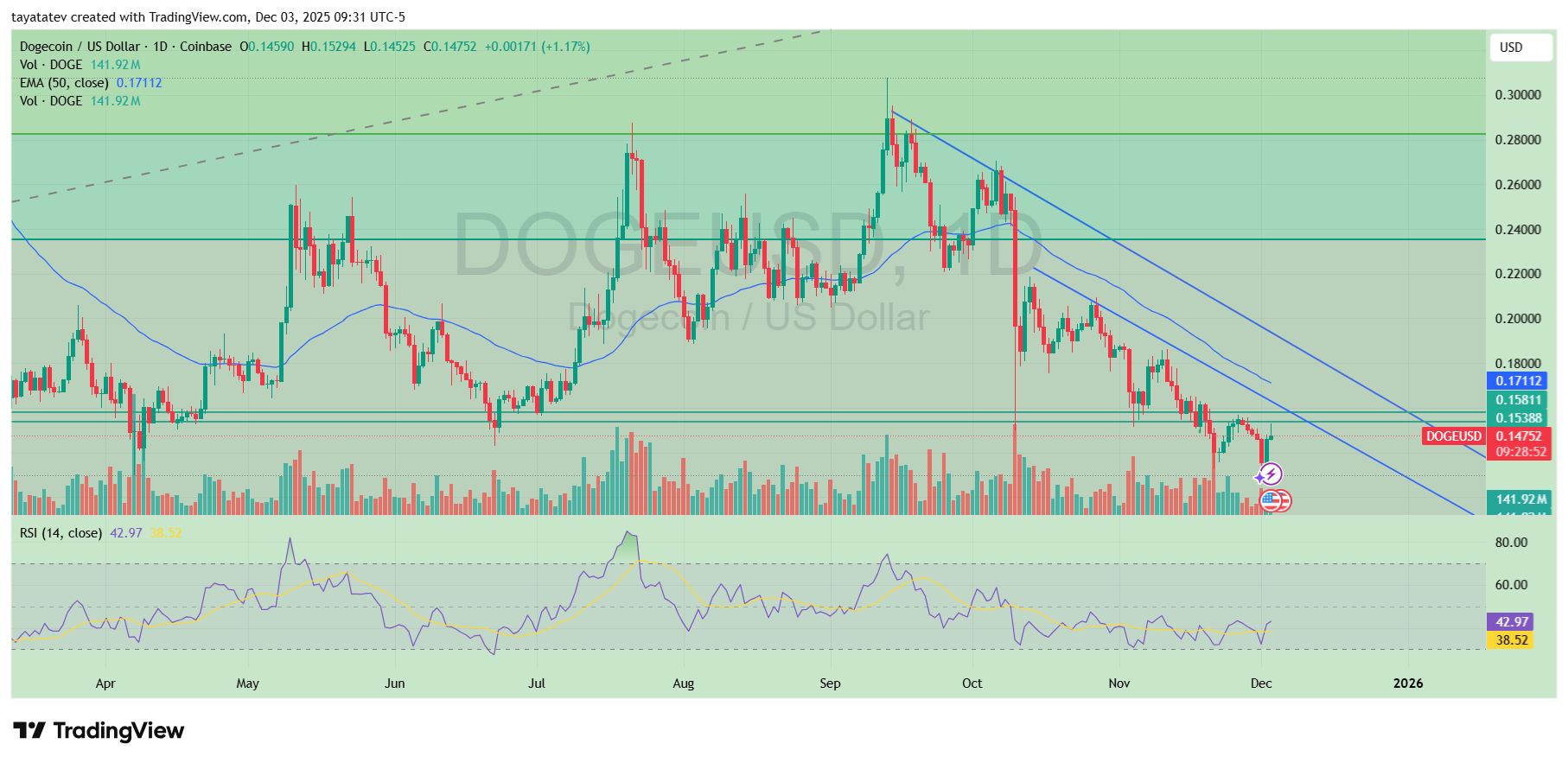
Dogecoin Trapped in Falling Channel as 0.158 Dollar Barrier Blocks Path Back to Fibonacci Golden Zone
COC the Game Changer: When Everything in GameFi Becomes "Verifiable", the Era of P2E 3.0 Begins
The article analyzes the development of the GameFi sector from Axie Infinity to Telegram games, pointing out that Play to Earn 1.0 failed due to the collapse of its economic model and trust issues, while Play for Airdrop was short-lived because it could not retain users. COC Game has introduced the VWA mechanism, which verifies key data on-chain in an attempt to address trust issues and build a sustainable economic model. Summary generated by Mars AI. This summary was generated by the Mars AI model, and its accuracy and completeness are still being iteratively updated.

BTC Volatility Weekly Review (November 17 - December 1)
Key metrics (from 4:00 PM HKT on November 17 to 4:00 PM HKT on December 1): BTC/USD: -9.6% (...

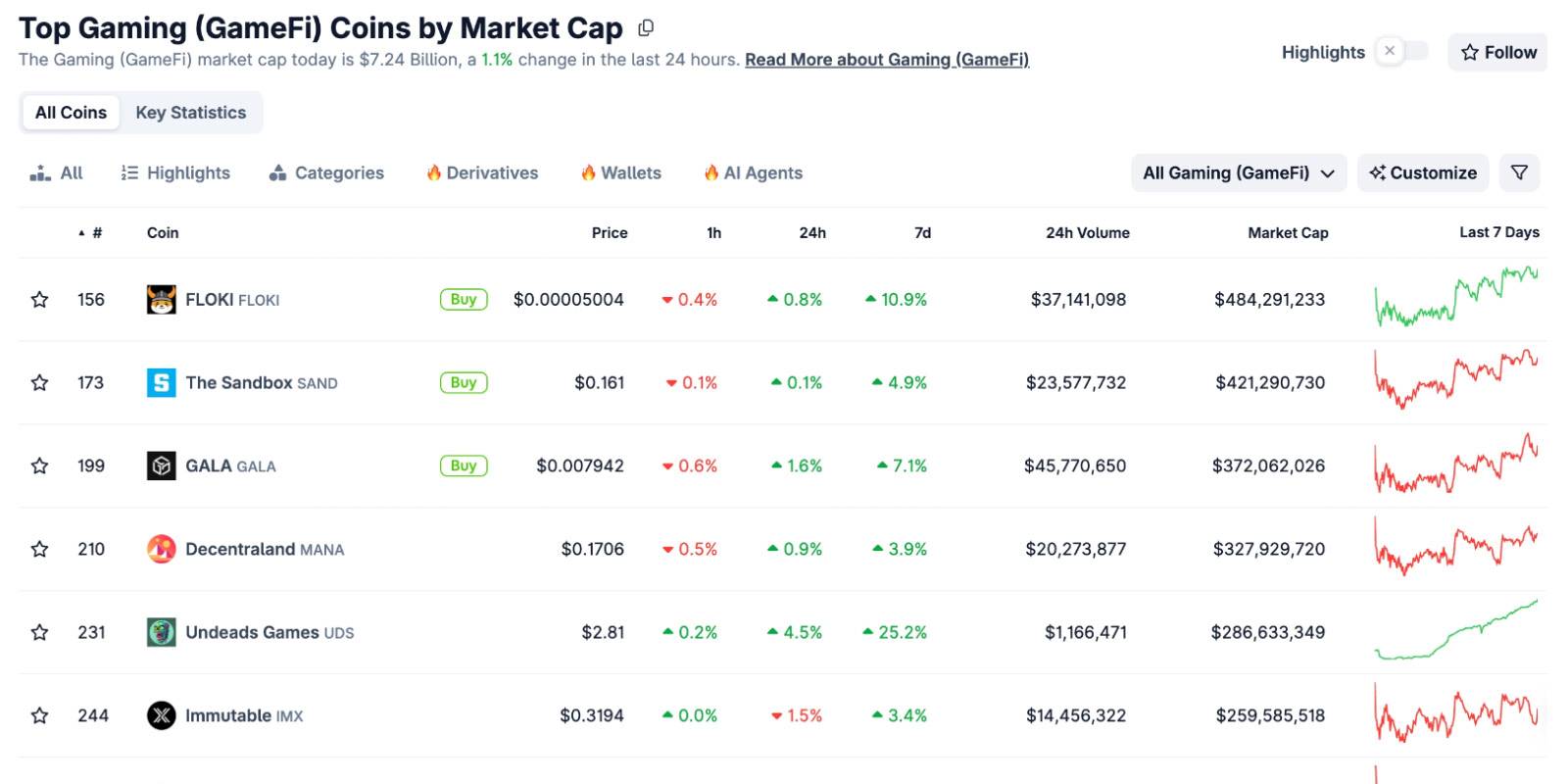
When all GameFi tokens have dropped out of the TOP 100, can COC reignite the narrative with a Bitcoin economic model?
On November 27, $COC mining will be launched. The opportunity to mine the first block won't wait for anyone.
Trending news
MoreCrypto prices
More






