
Odds of Strait of Hormuz disruption fall from 52% to 11%

Polymarket data shows a sharp decline in the probability of Iran blocking the Strait of Hormuz, dropping from 52% to 11% following Iran’s decision to target U.S. bases in Qatar instead of the shipping lane.
Prior to June 23, the odds of Iran disrupting the Strait had been increasing amid escalating tensions with Israel.
The spike to 52% occurred after the United States and Israel conducted coordinated airstrikes on Iranian nuclear sites in Fordow, Isfahan, and Natanz using 13,000-kilogram bunker-buster bombs.
In response, the Iranian legislature quickly approved a retaliatory measure to blockade the Strait of Hormuz, a critical maritime chokepoint for global oil shipments.
The potential blockade raised concerns over significant disruptions to global commerce and energy markets.
U.S. Secretary of State Marco Rubio urged China to pressure Iran to avoid escalation, while President Donald Trump warned of stronger retaliation if U.S. assets were targeted.
However, instead of blocking the Strait, Iran launched missile strikes on U.S. military bases in Qatar, issuing prior warnings to Qatari officials who closed their airspace as a precaution.
Following these strikes, reports indicated that Iran signaled a willingness to de-escalate the conflict.
This shift in Iran’s approach contributed to the steep decline in Polymarket’s odds of a Strait of Hormuz blockade.
The Strait of Hormuz remains a strategic waterway, with any disruption potentially impacting international trade and energy supplies.
According to Polymarket, the market’s reassessment reflects a reduced immediate risk to this vital shipping route after Iran’s missile attacks focused on military targets rather than maritime infrastructure.
Disclaimer: The content of this article solely reflects the author's opinion and does not represent the platform in any capacity. This article is not intended to serve as a reference for making investment decisions.
You may also like
A decade-long tug-of-war ends: "Crypto Market Structure Bill" sprints to the Senate
At the Blockchain Association Policy Summit, U.S. Senators Gillibrand and Lummis stated that the "Crypto Market Structure Bill" is expected to have its draft released by the end of this week, with revisions and hearings scheduled for next week. The bill aims to establish clear boundaries for digital assets by adopting a classification-based regulatory framework, clearly distinguishing between digital commodities and digital securities, and providing a pathway for exemptions for mature blockchains to ensure that regulation does not stifle technological progress. The bill also requires digital commodity trading platforms to register with the CFTC and establishes a joint advisory committee to prevent regulatory gaps or overlapping oversight. Summary generated by Mars AI. The accuracy and completeness of this summary, generated by the Mars AI model, is still being iteratively updated.
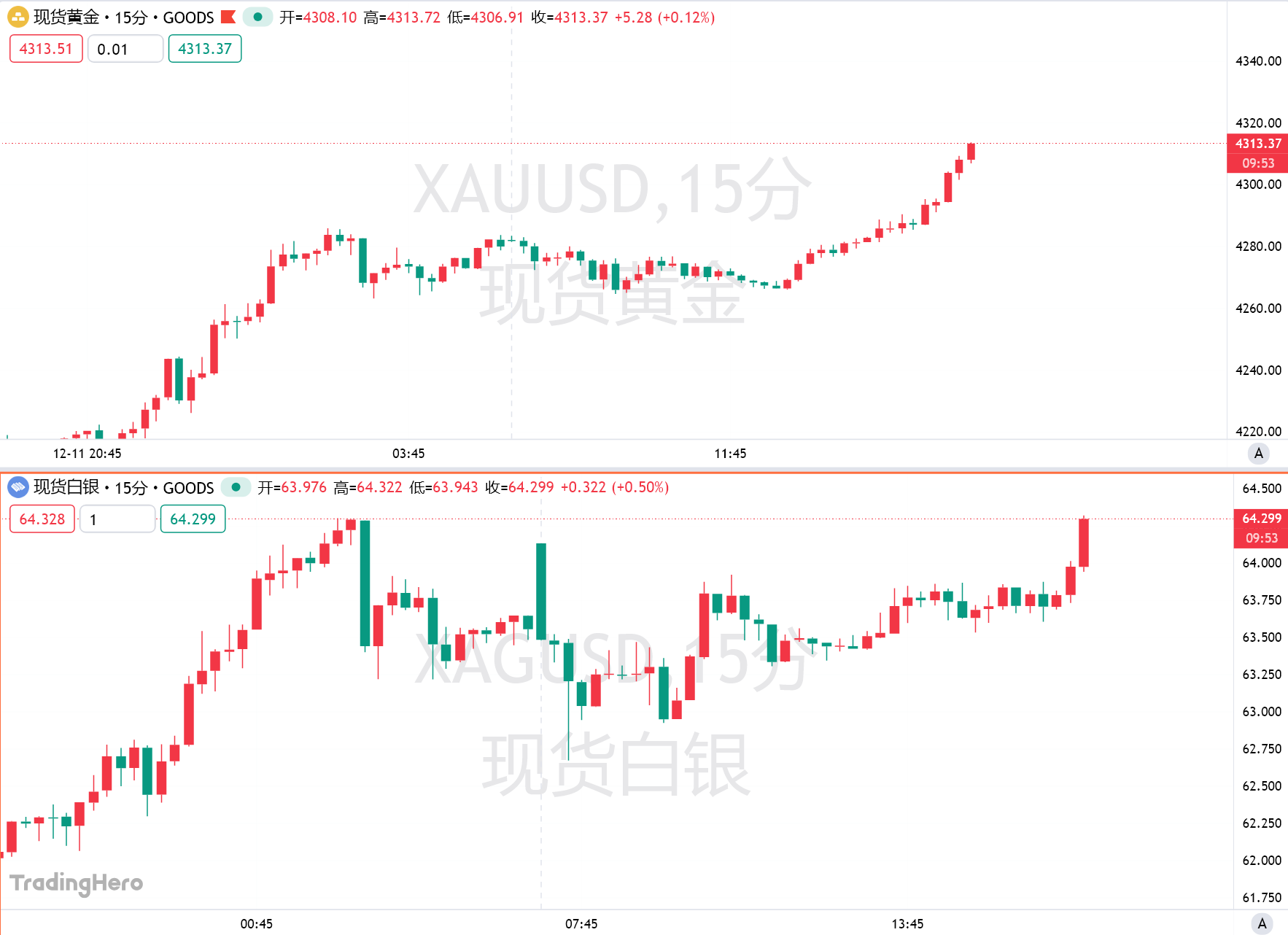
Gold surpasses the $4,310 mark—Is the "bull frenzy" returning?
Boosted by expectations of further easing from the Federal Reserve, gold has risen for four consecutive days. Technical indicators show strong bullish signals, but there remains one more hurdle before reaching a new all-time high.
Trend Research: Why Are We Still Bullish on ETH?
Against the backdrop of relatively accommodative expectations in both China and the US, which suppress asset downside volatility, and with extreme fear and capital sentiment not yet fully recovered, ETH remains in a favorable "buy zone."

Trending news
MoreCrypto prices
More





