
US SEC and El Salvador’s CNAD explore tokenization with cross-border trials
The US Securities and Exchange Commission (SEC) is exploring a cross-border approach to digital asset oversight through early-stage discussions with El Salvador’s National Commission of Digital Assets (CNAD).
According to the meeting memo, the SEC is considering launching a regulatory sandbox to test tokenization models under real-world conditions.
The SEC highlighted CNAD’s success in managing diverse tokenization scenarios, ranging from debt instruments to fractional property ownership and leasing contracts. The agency believes analyzing real estate tokenization within this regulatory sandbox could generate key insights on scaling the market safely and effectively.
Tokenization pilot programs
The memo outlines two potential pilot programs allowing the SEC to gather hands-on data to refine its digital asset regulations.
These initiatives are also designed to lower the barrier to entry for smaller participants, with estimated costs capped at $10,000 per pilot.
The first pilot involves a US real estate broker working with a Salvadoran tokenization company. The plan would allow the US firm to acquire and hold tokenized local property ownership.
The second project examines token-based fundraising for a small business in partnership with a US-licensed broker and the CNAD.
Both initiatives are designed to provide the SEC with insights into token issuance, digital asset custody, broker-dealer roles, and offering structures. The goal is to stress-test proposed policies and observe how they perform in live scenarios across borders.
The SEC wrote:
“Leveraging Commissioner Peirce’s roadmap, our expert team will deliver real-time, practical insights into regulatory frameworks that foster innovation while ensuring investor safety.”
US crypto policy
This cross-border initiative reflects broader shifts in US crypto policy following the start of the Trump administration’s new term.
Since then, the SEC has adopted a more crypto-friendly stance, which includes reviewing outdated regulations and dropping some enforcement actions that previously hindered innovation.
Additionally, the Commission has launched a series of crypto policy roundtables to identify gaps in existing regulations, particularly in areas like asset custody and broker oversight.
Market observers said this evolving approach signals a willingness to adapt US regulations to the realities of the global digital asset market.
The post US SEC and El Salvador’s CNAD explore tokenization with cross-border trials appeared first on CryptoSlate.
Disclaimer: The content of this article solely reflects the author's opinion and does not represent the platform in any capacity. This article is not intended to serve as a reference for making investment decisions.
You may also like
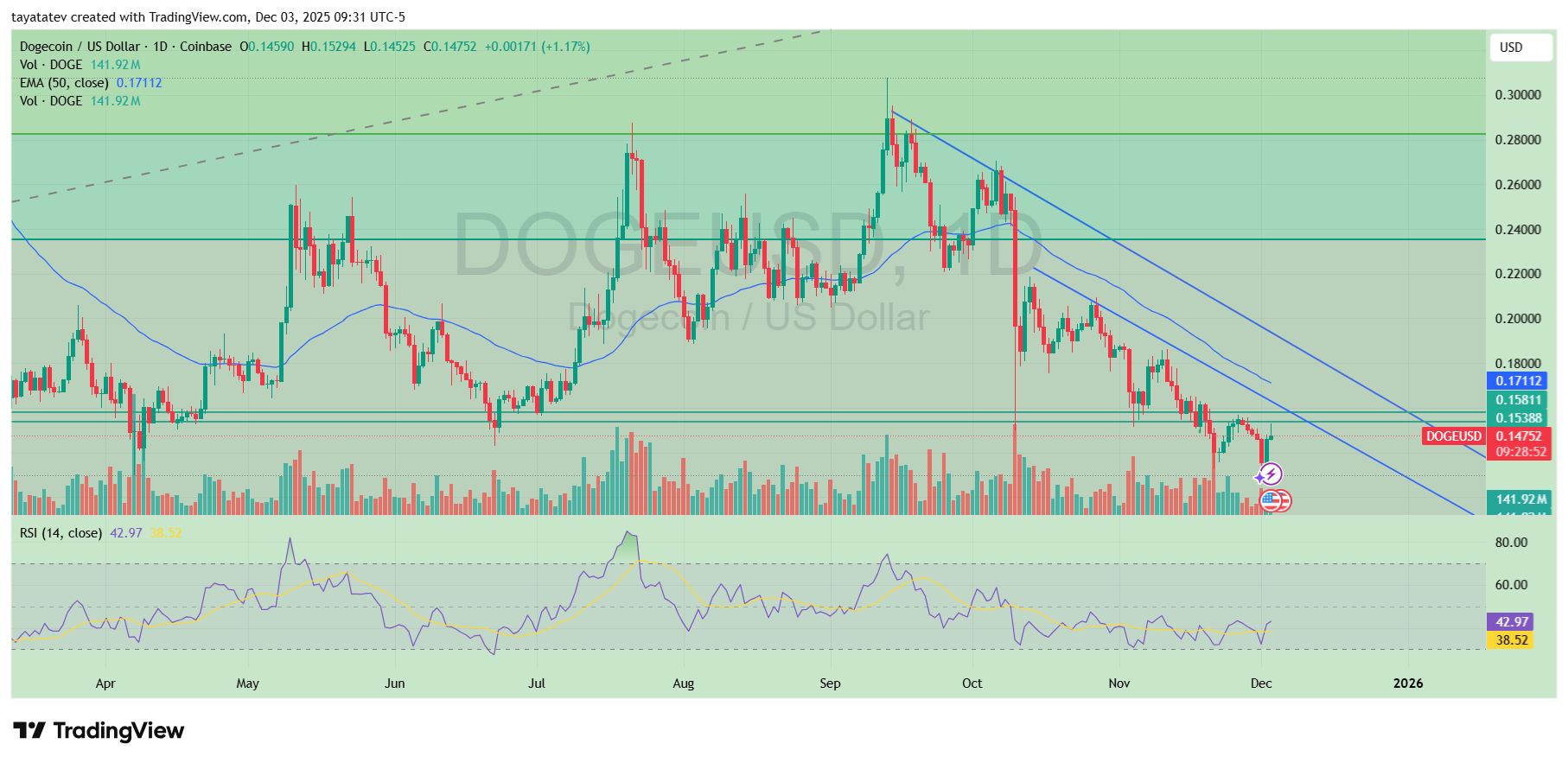
Dogecoin Trapped in Falling Channel as 0.158 Dollar Barrier Blocks Path Back to Fibonacci Golden Zone
COC the Game Changer: When Everything in GameFi Becomes "Verifiable", the Era of P2E 3.0 Begins
The article analyzes the development of the GameFi sector from Axie Infinity to Telegram games, pointing out that Play to Earn 1.0 failed due to the collapse of its economic model and trust issues, while Play for Airdrop was short-lived because it could not retain users. COC Game has introduced the VWA mechanism, which verifies key data on-chain in an attempt to address trust issues and build a sustainable economic model. Summary generated by Mars AI. This summary was generated by the Mars AI model, and its accuracy and completeness are still being iteratively updated.

BTC Volatility Weekly Review (November 17 - December 1)
Key metrics (from 4:00 PM HKT on November 17 to 4:00 PM HKT on December 1): BTC/USD: -9.6% (...

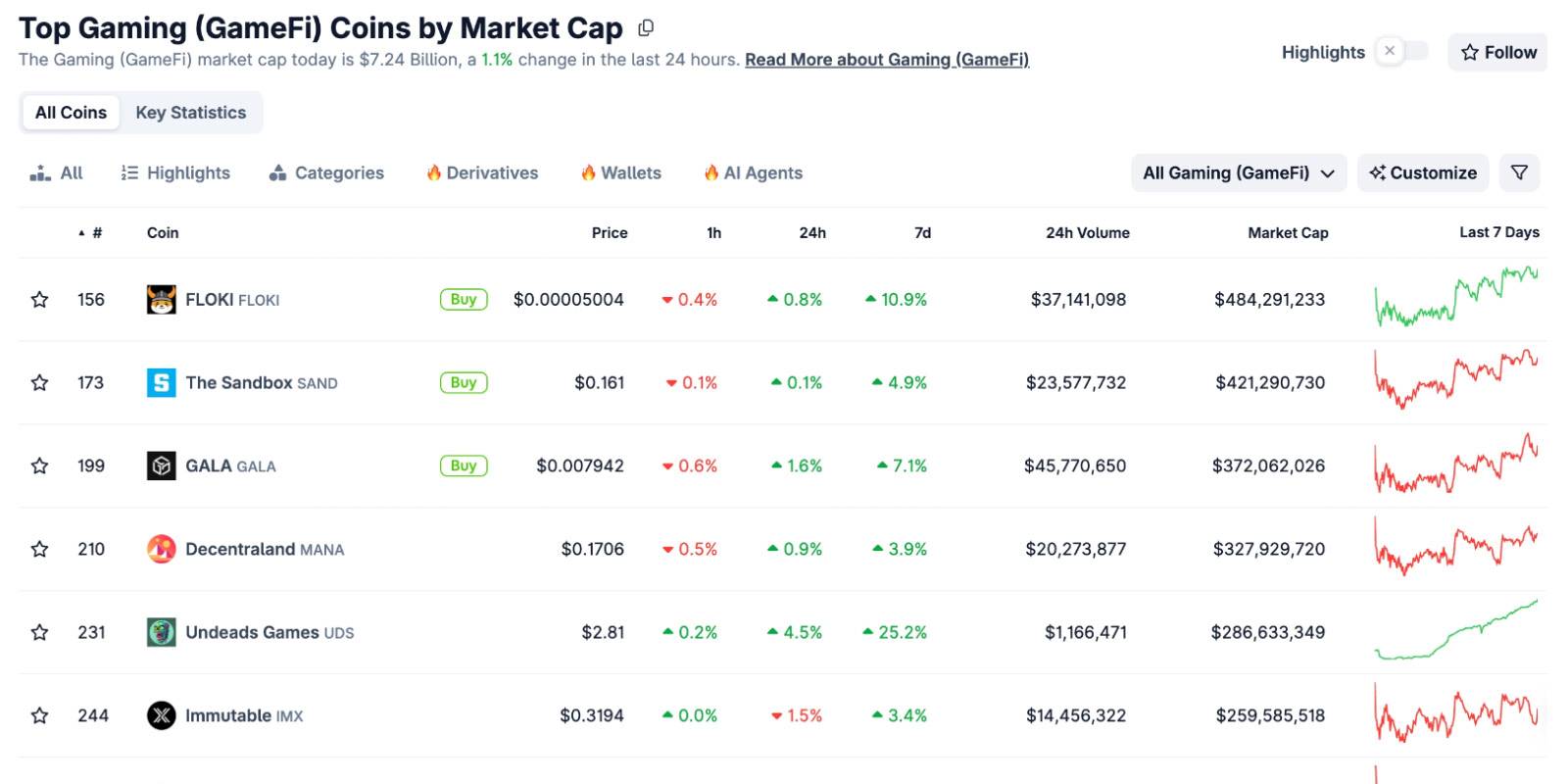
When all GameFi tokens have dropped out of the TOP 100, can COC reignite the narrative with a Bitcoin economic model?
On November 27, $COC mining will be launched. The opportunity to mine the first block won't wait for anyone.
Trending news
MoreCrypto prices
More






