The Influence of Educational Institutions on the Development of AI-Powered Industries
The Evolving Role of Academic Institutions in the AI Economy
Universities and colleges are becoming key drivers in the shift toward economies powered by artificial intelligence. Through focused investments in education, research, and mentorship, these institutions are redefining how the workforce is prepared and how innovation is fostered. Farmingdale State College (FSC), part of the SUNY system, stands out for its proactive approach to AI-focused education, infrastructure, and partnerships with industry. As artificial intelligence transforms sectors such as healthcare and logistics, FSC’s alignment of academic programs with industry needs provides valuable insights for investors looking to engage with the AI revolution.
Innovative Facilities and Forward-Thinking Curriculum
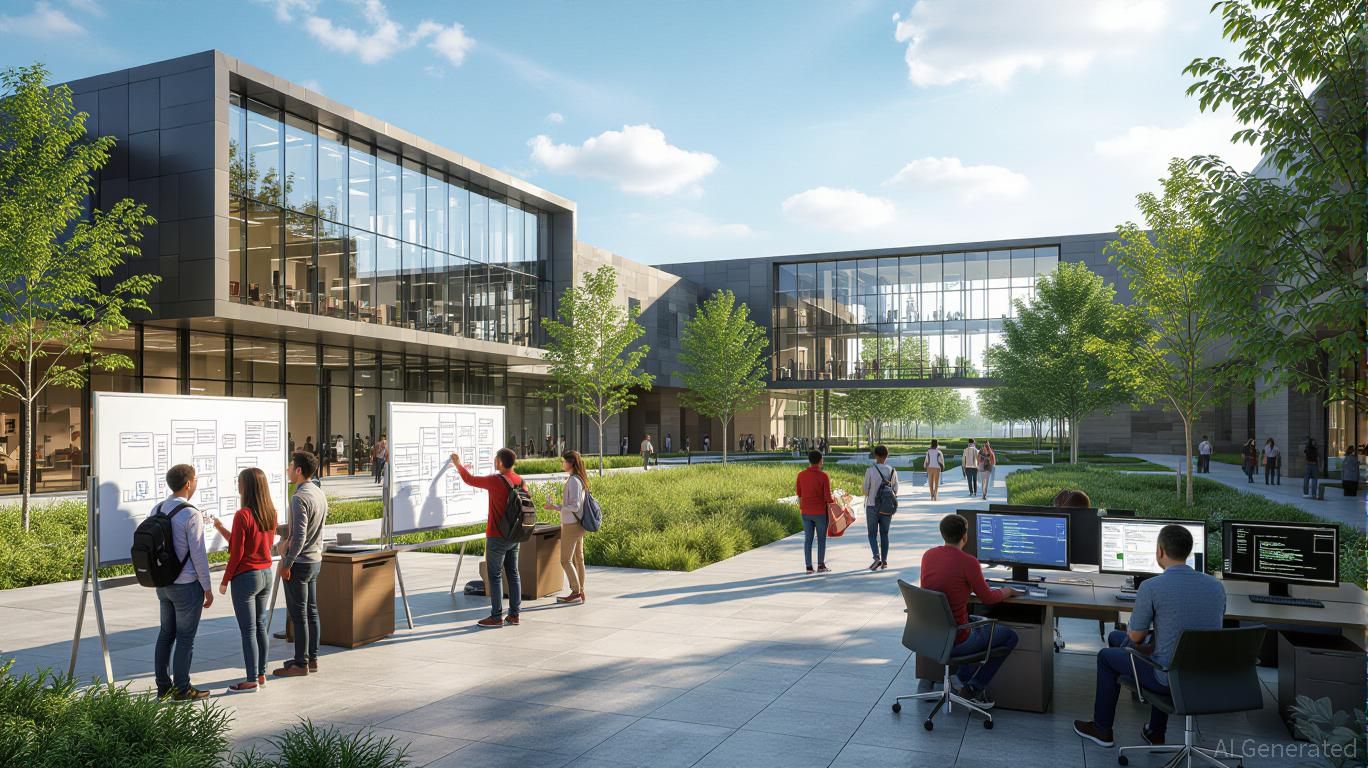
FSC is demonstrating its dedication to AI education with the upcoming $75 million Computer Sciences Center, scheduled to open in 2025. This new facility is expected to double the number of students in technology-related programs, including the Bachelor of Science in Artificial Intelligence Management (AIM). The AIM degree, which can be completed online, uniquely combines business knowledge with technical AI expertise, preparing graduates for careers in fields like finance, marketing, and logistics—areas where AI is increasingly streamlining operations and decision-making. By merging technical and managerial training, FSC is meeting the growing demand for professionals who can connect AI innovation with business strategy.
The college’s curriculum is also shaped by a commitment to responsible AI. Supported by the National Science Foundation, FSC is investigating how artificial intelligence influences critical thinking in introductory programming classes. This research aims to develop best practices for ethical AI use in education, positioning FSC as a leader in responsible AI instruction and aligning with global efforts to establish ethical standards for AI.
Collaboration with Industry and Career Success
FSC’s effectiveness is closely tied to its strong connections with the business world. The college has established partnerships with major companies such as Nicholas Air and Tesla, offering students direct pathways into fields like aviation, cybersecurity, and AI-driven innovation. These collaborations ensure that academic programs remain relevant to current industry requirements—a crucial advantage as 66% of businesses report reducing entry-level hiring due to automation by AI. Despite these challenges, FSC’s 2025 employment statistics show that 80% of graduates find jobs within six months, with 70% working in areas related to their studies. This success highlights the value of FSC’s industry-focused approach in helping students navigate the changing job market.
Mentorship and a Culture of Innovation
The Research Aligned Mentorship (RAM) program at FSC further enhances its innovation ecosystem. By connecting students with faculty-led projects in areas like AI-powered robotics and virtual reality, RAM provides practical experience and encourages interdisciplinary teamwork. Courses such as RAM 110 emphasize leadership and mentorship, equipping students with the soft skills needed to adapt to the rapidly evolving workplace shaped by AI. These initiatives not only boost graduates’ employability but also support applied research that addresses real-world challenges, such as improving supply chain efficiency or advancing predictive analytics in healthcare.
Investment Opportunities and Challenges in the AI Sector
For investors, FSC’s approach highlights the potential of sectors focused on AI education and workforce development. The global market for AI and machine learning jobs is expected to expand by 41% annually, fueled by demand for expertise in cybersecurity, software engineering, and AI ethics. Institutions that invest in advanced facilities and interdisciplinary education, like FSC’s Computer Sciences Center, are likely to see higher graduate employment and stronger industry connections. Companies that collaborate with such colleges—such as Tesla and National Grid through FSC’s Nexus Center—benefit from access to skilled talent and opportunities for joint research and development.
However, investors should also be aware of the risks. The automation of entry-level positions by AI, illustrated by a 46% drop in tech graduate hiring in the UK from 2023 to 2024, highlights the importance of adaptable educational models. Schools that fail to evolve may leave graduates unprepared for the AI-driven job market. In contrast, institutions like FSC that emphasize a blend of technical, managerial, and ethical skills are better equipped to succeed in this new landscape.
Conclusion
Colleges such as Farmingdale State College are not just preparing students for careers in artificial intelligence—they are actively shaping the future of AI-driven industries. By investing in state-of-the-art facilities, building strong industry partnerships, and integrating mentorship into their programs, these institutions create significant value for both students and investors. For those involved in education, technology, or STEM fields, FSC’s strategies offer a blueprint for navigating the opportunities and challenges presented by an AI-focused world.





