Zcash Halving 2025: Impact on Cryptocurrency Market Trends
Zcash Halving 2025: A New Chapter in Crypto Market Dynamics
The periodic reduction of block rewards in cryptocurrencies has consistently drawn the attention of market participants. While Bitcoin’s quadrennial halvings have served as a reference point for analyzing deflationary effects and price fluctuations, the landscape is shifting as other protocols, such as Zcash (ZEC), introduce their own unique mechanisms. The 2025 Zcash halving, which decreased block rewards by half to 1.5625 ZEC, provides a valuable lens through which to examine the interplay of speculation, institutional involvement, and protocol innovation in shaping market trends.
Tracing Zcash’s Halving History
Launched in 2016, Zcash is a privacy-oriented digital currency that shares a deflationary approach with Bitcoin, yet features notable differences in its structure. The initial halving in 2020 reduced rewards from 6.25 to 3.125 ZEC. Despite occurring during a period of broader market instability, ZEC’s price remained largely unaffected, showing little direct response to the event. The narrative shifted with the second halving in November 2025, when rewards were again cut to 1.5625 ZEC. This reduction led to a 7% drop in mining hashrate, reflecting diminished miner returns and raising short-term concerns about network robustness.
Price Rally and Institutional Influence
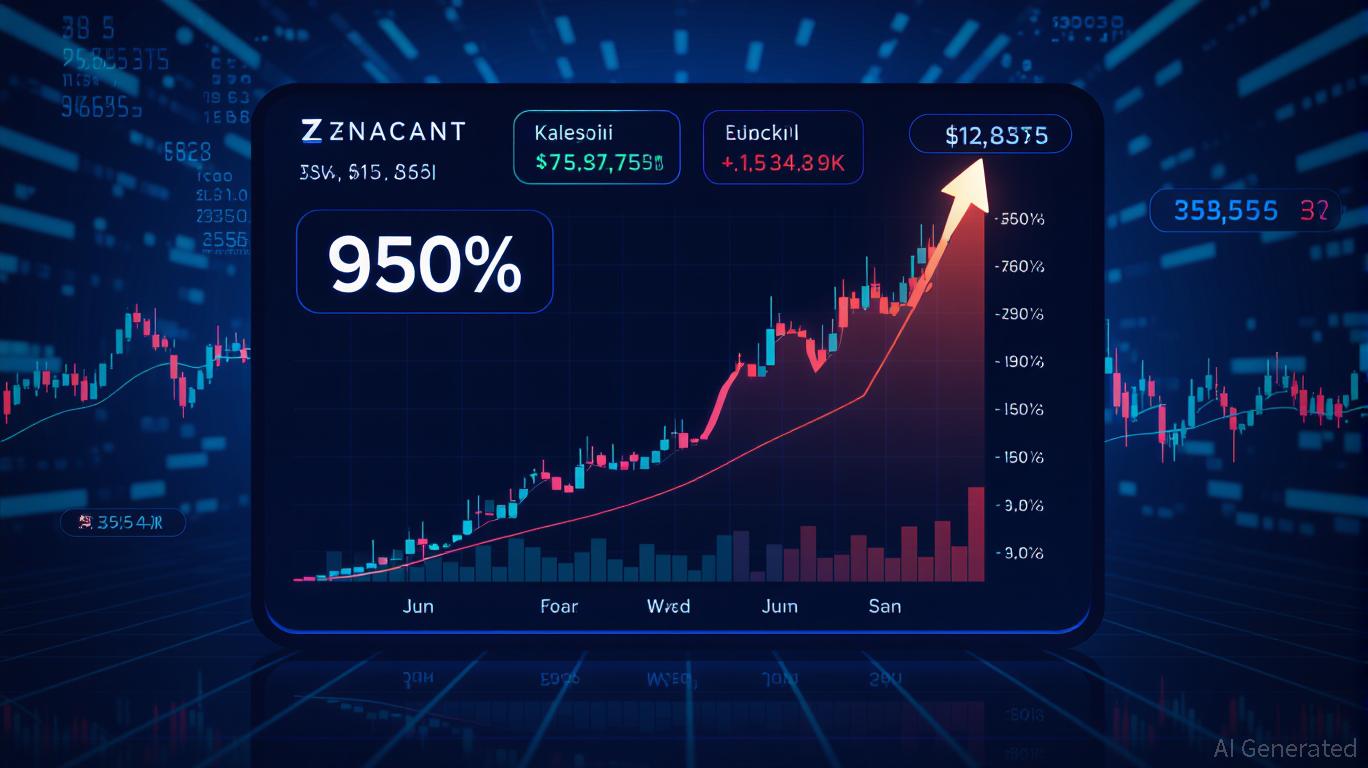
The 2025 halving was accompanied by a remarkable price rally. By the end of the year, ZEC had soared 950% from its September lows, peaking at $589. Two primary drivers fueled this surge: the ZIP 1015 lockbox protocol and heightened institutional interest. The ZIP 1015 mechanism withholds 12% of block rewards, reducing daily market supply by about $337,000 and intensifying scarcity. This mirrors Bitcoin’s supply constraints but on a smaller scale, making ZEC’s price more reactive to shifts in sentiment. Meanwhile, institutional players made significant moves—Grayscale secured 5% of all ZEC, and Cypherpunk Technologies established a $100 million ZEC reserve—demonstrating growing confidence in Zcash’s long-term prospects. These actions echoed the institutional momentum seen in Bitcoin after its own halvings, signaling a maturing market for privacy coins.
Speculation and Volatility in the Zcash Market
The 2025 halving also underscored the influence of speculative trading. Open interest in Zcash futures climbed to $1.11 billion by late 2025, indicating increased leverage and short-term trading. Retail investors, eager to capitalize on anticipated scarcity, flocked to ZEC, amplifying the hype. This speculative activity led to pronounced volatility; for example, ZEC’s price surged 24% within a single day in December 2025, spurred by algorithmic trading and social media buzz.
Such sharp swings contrast with the more measured post-halving movements seen in Bitcoin, highlighting Zcash’s smaller market size and greater vulnerability to liquidity changes. Analysts observe that, despite Zcash’s hybrid proof-of-stake model and optional privacy features setting it apart from Bitcoin’s proof-of-work system, its price remains heavily influenced by speculative cycles.
Looking Ahead: Strategic Implications
With Zcash’s block rewards set to decrease further, investors face several considerations. The ongoing impact of the ZIP 1015 lockbox will continue to limit liquidity, potentially increasing long-term scarcity. However, the recent decline in hashrate raises concerns about the sustainability of mining, especially if price volatility persists. Institutional interest appears likely to strengthen, with Grayscale’s plans to convert its Zcash Trust into an ETF potentially drawing new capital into the market.
For those seeking speculative gains, the 2025 halving highlights the critical importance of timing and risk management. Zcash’s blend of privacy and deflationary design makes it an intriguing alternative to Bitcoin, but its future price path will depend on broader market trends, regulatory developments, and the delicate balance between scarcity and real-world utility.
Summary
The 2025 Zcash halving illustrates how protocol innovation, institutional participation, and speculative trading collectively shape the evolution of cryptocurrency markets. While halvings have historically sparked price rallies, Zcash’s distinctive features—such as its lockbox protocol and hybrid consensus—introduce new dynamics not seen in Bitcoin. As the digital asset space continues to evolve, investors must carefully navigate both the opportunities and the risks presented by privacy-focused cryptocurrencies like Zcash.





