Investing in EdTech and Skills Training to Empower Tomorrow's Workforce
Transforming the Global Workforce: The Rise of STEM Education and Edtech
The world economy is experiencing a profound transformation as rapidly expanding fields such as artificial intelligence, renewable energy, and biotechnology reshape the landscape for skilled professionals. In response, higher education with a focus on STEM is adapting at an unprecedented pace, propelled by advancements in educational technology and hands-on training initiatives. For investors, this evolution offers a compelling prospect: by backing edtech solutions and workforce development programs, they can both address the urgent skills shortage in these vital sectors and unlock significant financial returns.
AI and Edtech: Pioneering the Next Era of Learning
Artificial intelligence has moved from a futuristic idea to a core component of modern education. Today’s AI-driven platforms assess student data to tailor individualized learning experiences, boosting both engagement and achievement. Adaptive learning technologies, for example, can pinpoint areas where students struggle and modify lessons in real time to close those gaps—a method proven to improve knowledge retention in STEM fields. Meanwhile, immersive tools like virtual and augmented reality are making practical training more accessible. Medical trainees can now rehearse surgeries in simulated environments, and engineering students can design and test projects virtually, free from physical limitations.
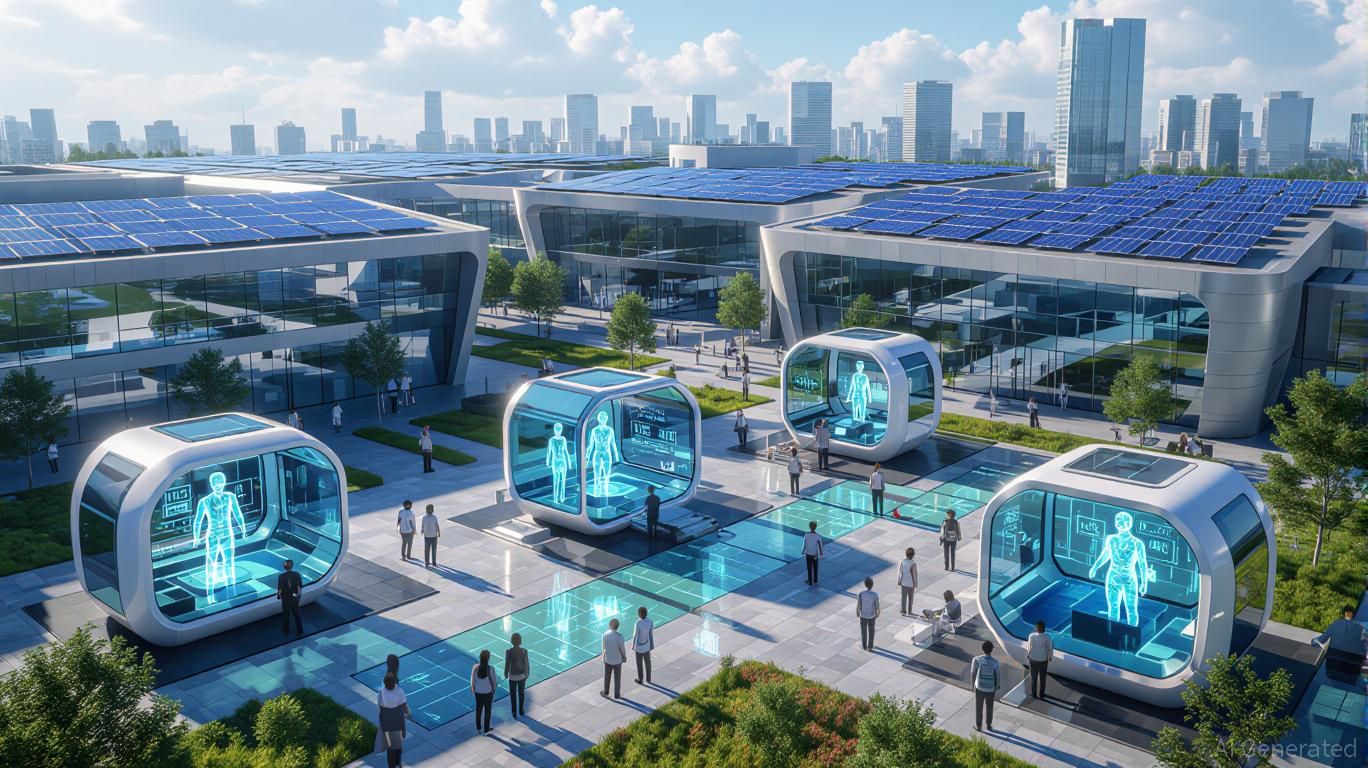
The scalability of these innovations is drawing considerable investment. In 2024, over a third of all edtech funding targeted workforce development, signaling a shift toward practical, skills-based education over traditional academic pathways. This trend highlights a crucial takeaway for investors: platforms that blend AI and immersive technologies with industry-relevant training are poised to lead the future of STEM learning.
Bridging the Skills Gap: Vocational Training and Industry Collaboration
With an anticipated shortfall of two million STEM professionals by 2025, there is a global movement toward vocational education and experiential learning. Countries such as India now require internships and apprenticeships for STEM undergraduates, while U.S. programs like Energy Careers for All are broadening opportunities in clean energy through mentorship and curriculum innovation. These efforts are forging direct links between educational institutions and high-growth industries.
Collaborations between universities and businesses are further strengthening this connection. For instance, the InnovATEBIO network, supported by the National Science Foundation, matches biotechnology students with local employers to ensure their training meets real-world needs. Similarly, legislative measures like the Inflation Reduction Act are fueling demand for skilled workers in renewable energy, with the solar and wind sectors alone expected to support more than 7 million jobs worldwide by 2025.
Microcredentials and Digital Badges: Redefining Skill Recognition
As the job market becomes more fluid, traditional degrees are increasingly complemented by microcredentials and digital badges. These modular certifications enable individuals to showcase expertise in specialized areas—such as AI ethics, sustainable engineering, or biomanufacturing—without the commitment of a full degree. For investors, this signals a growing opportunity in platforms that authenticate and promote these new forms of credentialing.
The microcredential market is expanding swiftly. A 2024 study revealed that 36% of edtech investment was funneled into upskilling and career-focused solutions, with digital badges gaining favor among employers seeking to verify specific competencies. This is especially true in fields like biotechnology, where cross-disciplinary skills in data science and AI are increasingly valued.
Sustainability and Green Skills: The New Standard in STEM
Sustainability has become a central pillar of STEM education. Curriculums are placing greater emphasis on green competencies such as energy efficiency, sustainable design, and environmental responsibility, influenced by policy initiatives like the European Union’s Green Deal and the U.S. Inflation Reduction Act. Innovations in energy storage and green hydrogen are generating new career paths that demand specialized expertise, from battery technology to hydrogen production.
Investors have an opportunity to support edtech ventures that weave sustainability into STEM programs or offer vocational training focused on clean energy. The global workforce in clean energy is projected to surpass 16 million by 2025, with solar energy alone accounting for over 7 million jobs. This expansion is not only about meeting environmental targets—it is a strategic necessity for industries adapting to regulatory and consumer expectations.
Conclusion: Investing in the Future of Work
The intersection of artificial intelligence, vocational education, and sustainability is redefining the workforce of tomorrow. For investors, the greatest potential lies in supporting platforms and initiatives that address key challenges: scalability, alignment with industry needs, and adaptability. Startups harnessing AI for customized learning, networks fostering industry partnerships, and platforms issuing microcredentials for green skills all represent promising avenues for growth.
As demand for expertise in AI, renewable energy, and biotechnology continues to surge, education will remain a cornerstone of economic progress. By investing in solutions that bridge the gap between academic training and industry requirements, investors can drive both financial success and the development of a workforce ready to thrive in the complexities of the modern economy.





