
Do Kwon’s Sentencing Nears as U.S. Judge Assesses South Korea’s Potential Custody Role

Pressure is mounting ahead of Do Kwon’s upcoming U.S. sentencing as a federal judge reviews how his convictions relate to open cases in South Korea and Montenegro. The court is seeking clarity before deciding how long the Terraform Labs co-founder will stay in U.S. custody and whether his time abroad should factor into the final sentence.
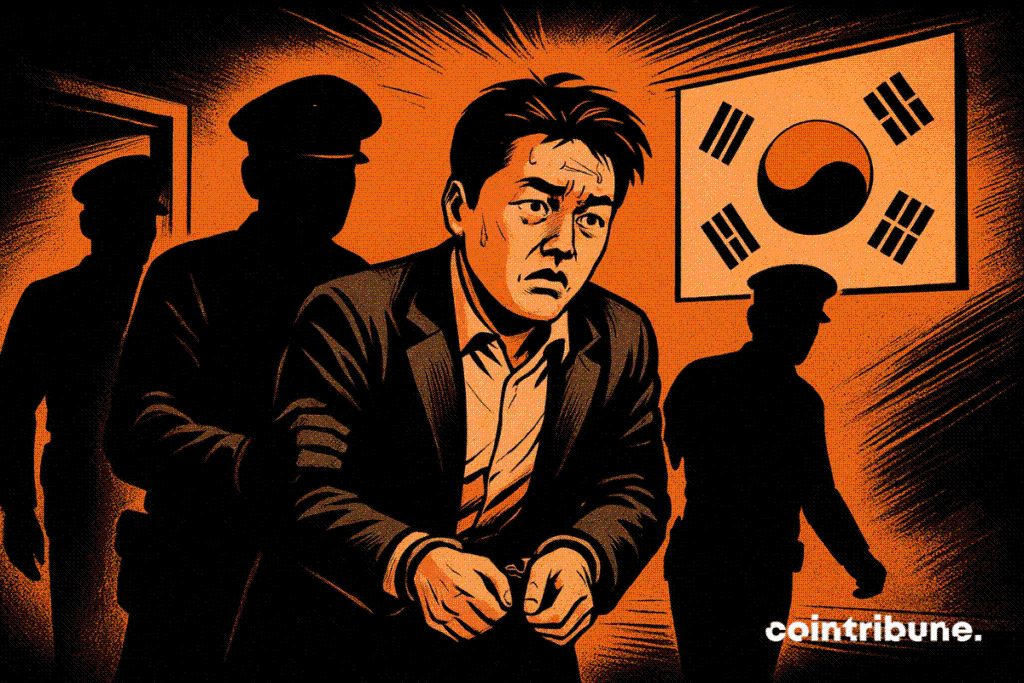
In brief
- U.S. judge seeks clarity on South Korea’s pending charges before deciding Kwon’s final prison term and custody path.
- Prosecutors request 12 years for Kwon, saying Terra’s crash caused major losses across the digital asset market.
- Court questions whether Kwon’s time in Montenegro should count toward any U.S. sentence after his document case.
- Kwon may face up to 40 years in South Korea, where prosecutors continue to pursue cases tied to the Terra collapse.
Court Weighs Multi-Country Custody Issues in Kwon Case
A hearing set for Thursday follows Kwon’s guilty plea to two felony charges related to the collapse of TerraUSD and Luna. Judge Paul Engelmayer has asked both sides for more information about the charges waiting for Kwon in South Korea and the possible penalties he could face once any U.S. term is finished.
Kwon first appeared in a U.S. court on January 2, 2025, and entered not-guilty pleas. He later admitted to wire fraud and conspiracy to defraud in August. His actions, according to prosecutors, fueled a $40 billion collapse that shook the digital asset market and caused widespread losses among retail and institutional investors.
Prosecutors are seeking a 12-year prison term and $19 million in penalties under the plea agreement. His defense team, however, is seeking no more than five years as punishment.
A key issue for the judge is how the United States and South Korea will manage custody. He also raised questions about Montenegro, where Kwon served four months for using falsified travel documents during an extradition dispute. The judge asked whether both sides agree that the time served in Montenegro should not count toward any U.S. sentence.
Concerns stem from the possibility that Kwon may be transferred to South Korean authorities midway through a U.S. sentence. The judge maintained that such a transfer could weaken the impact of the punishment handed down in New York.
South Korean Case Could Bring Far Longer Prison Term
Kwon’s legal team responded that regardless of the U.S. outcome —whether 12 years or time served—he would immediately be placed back into South Korean custody for pretrial detention.
A major part of the court’s review involves details of the case still open in South Korea:
- Kwon could face up to 40 years in prison under South Korean law.
- Prosecutors in Seoul filed charges in 2022 but have not detained him since Terra’s collapse.
- Both the U.S. and South Korea submitted extradition requests to Montenegro.
- South Korea continues to investigate other Terraform-linked figures.
- Authorities consider Kwon a central player in the investor losses and market disruption.
Judge Engelmayer also noted that U.S. prosecutors accuse Kwon of causing larger losses than those linked to Sam Bankman-Fried , Alex Mashinsky, and Karl Sebastian Greenwood combined. All three are serving long federal sentences, adding weight to the government’s position in Kwon’s case.
Kwon’s rise and downfall remain one of the most dramatic stories in crypto. At Terra’s peak in 2022, he was viewed as a major figure in the blockchain world. The collapse of TerraUSD, however, sent shockwaves through the market, pushing several firms into bankruptcy and extending volatility for months.
Thursday’s hearing could shape Kwon’s next steps. South Korean officials say they plan to detain him once extradited, though the timing depends on how the U.S. sentence is structured. His arrest in Montenegro in 2023 ended months of uncertainty about his location and set the stage for one of the crypto industry’s most historic cases .
Disclaimer: The content of this article solely reflects the author's opinion and does not represent the platform in any capacity. This article is not intended to serve as a reference for making investment decisions.
You may also like
Standard Chartered Bank lowers its 2025 Bitcoin price forecast to $100,000.
Why is the current macro environment favorable for risk assets?
In the short term, risk assets are viewed positively due to AI capital expenditures and strong consumer spending among the wealthy, which support earnings. However, in the long term, structural risks stemming from sovereign debt, demographic crises, and geopolitical restructuring must be closely monitored.
Bitwise: My Most Confident Investment in the Crypto Space
Buy market cap-weighted crypto index funds to invest in the entire market.

Trending news
MoreCrypto prices
More





