
Uruguay's Energy Conflict Threatens $500 Million Tether Mining Project
- Tether denies abandoning its $500M Uruguay crypto mining project amid a $4.8M debt dispute with UTE, stating ongoing discussions with the government to resolve the issue. - High electricity costs in Uruguay (vs. $22/MWh in Paraguay) threaten Tether’s operations, mirroring Vici Mining’s 2018 relocation. - Energy expenses (up to 80% of mining costs) highlight the need for competitive pricing to retain energy-intensive industries like crypto mining. - Despite challenges, USDT adoption grows in Latin America
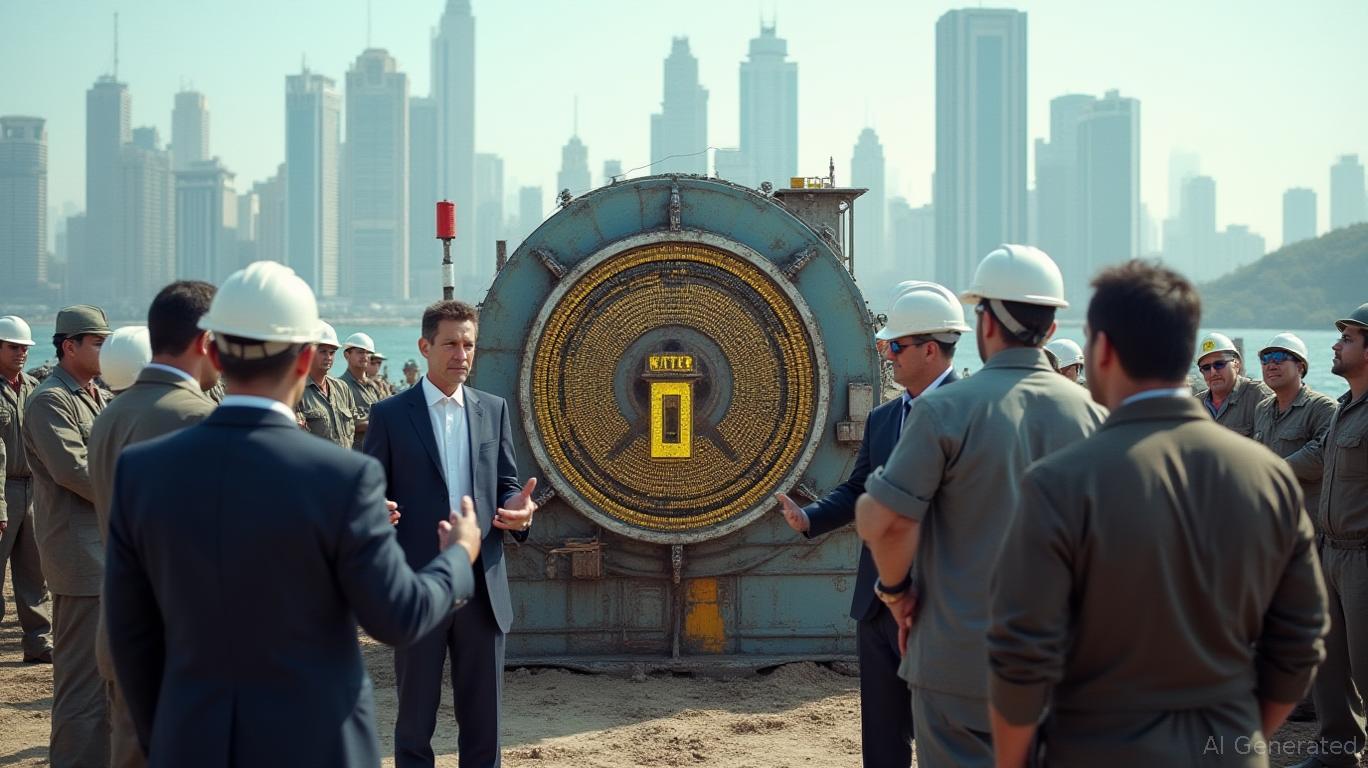
Tether, the company behind the
This conflict highlights the difficulties Tether encounters in Uruguay, where power costs are much steeper than in nearby nations. Electricity in Uruguay is priced between $60 and $180 per megawatt hour (MWh), while in Paraguay—where Tether also runs
Reports indicate that Tether’s Uruguayan arm, Microfin, has been negotiating for reduced electricity prices for new sites, but the details remain confidential. The results of these talks will be key in determining whether Tether can maintain its $500 million investment in the country. If the company cannot resolve its debts and secure better rates, it may be compelled to shift its operations to regions with cheaper power, following the example set by Vici Mining in 2018. Such a move could not only undermine Uruguay’s economic goals but also expose the vulnerability of major crypto projects in areas lacking cost advantages.
This scenario also mirrors broader issues in the crypto mining industry, where reliable and affordable energy is essential for stable operations. UTE’s action to disconnect power over unpaid bills has sparked concerns about the dependability of energy supplies for large-scale consumers. Industry analysts point out that without stable contracts and predictable tariffs, even well-capitalized ventures could face interruptions. This reflects a wider trend in the sector, with miners increasingly seeking locations that offer inexpensive, renewable energy to counteract rising costs.
Despite these challenges, Tether’s stablecoin continues to gain traction across Latin America. In Bolivia, car manufacturers such as Toyota and Yamaha now accept USDT payments, and in Colombia, MoneyGram provides USDT-based services to help manage peso volatility. These examples illustrate the deepening role of stablecoins in mainstream finance, even as mining operations grapple with energy-related obstacles.
The resolution of Tether’s negotiations in Uruguay is expected to shape the region’s appeal for future crypto investments. Lawmakers must decide whether to reform energy policies to stay competitive or risk seeing capital-intensive projects relocate to countries like Paraguay. For Tether, settling the $4.8 million debt and securing sustainable energy agreements will be decisive in determining whether its Uruguayan project becomes a benchmark for large-scale crypto mining or another instance of the industry’s sensitivity to energy costs.
Disclaimer: The content of this article solely reflects the author's opinion and does not represent the platform in any capacity. This article is not intended to serve as a reference for making investment decisions.
You may also like
What's Causing the Latest BTC Price Swings: Is It a Macro-Fueled Reevaluation?
- Bitcoin's late 2025 volatility reflects macroeconomic pressures, Fed policy shifts, and regulatory changes impacting institutional demand. - Sharp price swings from $126k to $87k highlight sensitivity to inflation, interest rates, and leveraged trading risks amid delayed economic data. - New U.S. crypto laws and ETF approvals boosted institutional participation, but geopolitical risks and token unlocks maintained uncertainty. - A potential Fed rate cut and stabilizing inflation could reignite risk appeti

The ChainOpera AI Token Collapse: A Cautionary Tale for AI-Powered Cryptocurrency Markets?
- ChainOpera AI (COAI) token's 96% collapse in late 2025 exposed systemic risks in AI-blockchain markets, mirroring 2008 crisis patterns through centralized governance and speculative hype. - COAI's extreme centralization (96% supply in top 10 wallets) and tokenomics (80% locked until 2026) created liquidity crises, undermining blockchain's decentralized ethos. - Regulatory actions intensified post-crash, with SEC/DOJ clarifying custody rules and targeting fraud, yet CLARITY/GENIUS Acts created compliance

The COAI Token Fraud: An Urgent Warning for Individual Investors in the Cryptocurrency Market
- COAI token's 88% devaluation in late 2025 erased $116.8M, exposing systemic risks in AI-integrated DeFi ecosystems. - Centralized control (87.9% tokens in 10 wallets) and algorithmic stablecoin failures enabled coordinated manipulation and liquidity collapse. - Regulatory gaps allowed cross-border operations in jurisdictions like Southeast Asia, highlighting urgent need for AI-powered oversight and standardized protocols. - Investors must prioritize smart contract audits, transparent governance, and on-c
Examining the Latest Decline in PENGU Value: Key Drivers and What It Means for Cryptocurrency Investors
- Pudgy Penguins (PENGU) plummeted 30% in late 2025 due to regulatory uncertainty, algorithmic trading triggers, and a $66.6M team activity event. - The collapse exposed systemic risks in crypto, including stablecoin liquidity crises and interconnectedness with traditional finance via ETFs and leverage. - Investors are urged to prioritize diversification, liquidity monitoring, and regulatory compliance to mitigate risks from opaque projects and volatile markets.
Trending news
MoreCrypto prices
More





