
Ripple CEO says 75% of open roles are now US-based due to ‘Trump effect'

Quick Take Ripple CEO Brad Garlinghouse said that 75% of Ripple’s open job positions are based in the U.S. due to optimism for Donald Trump’s incoming administration. Crypto proponent Trump has promised to build a national bitcoin reserve and make the U.S. the “crypto capital” of the world.
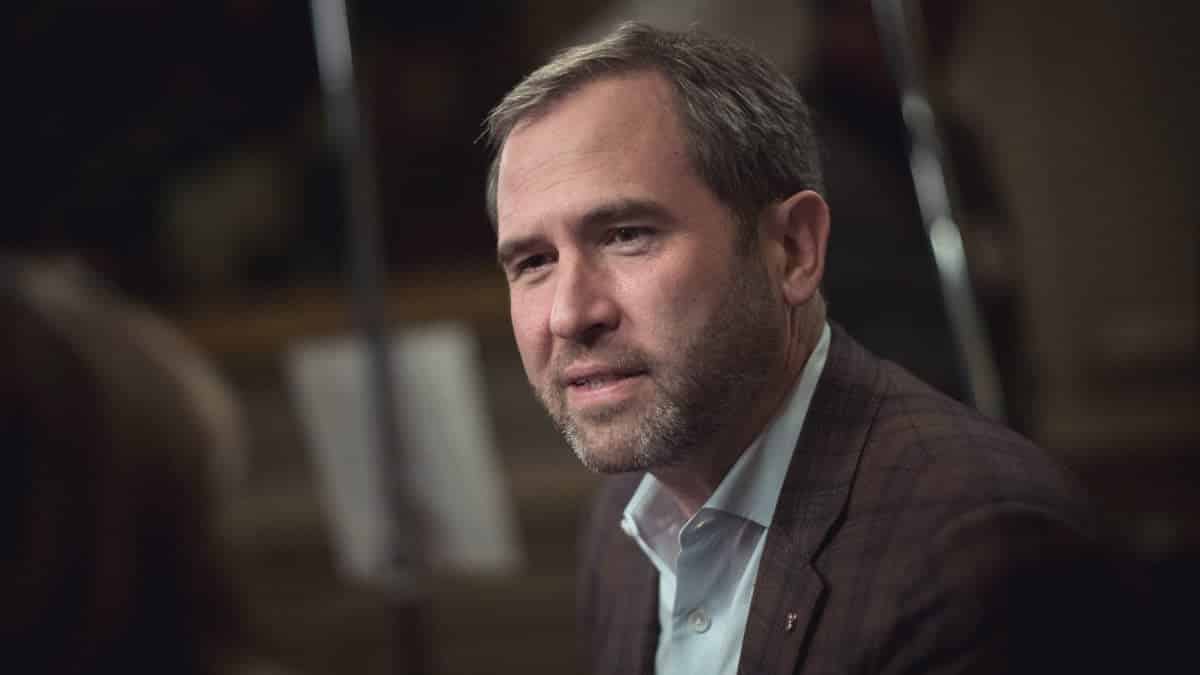
Ripple CEO Brad Garlinghouse said that 75% of the company’s open job positions are now based in the U.S., owing to positivity in the sector about Donald Trump’s incoming administration.
“Say what you want, but the 'Trump effect' is already making crypto great again — through his campaign, and in the Administration’s day 1 priorities,” Garlinghouse said in an X post on Sunday.
According to Garlinghouse, Ripple had been making the “vast majority” of its hires outside of the U.S. in the past four years, as the company has been engaged in a years-long legal battle with the Securities and Exchange Commission under now-resigned Gary Gensler’s leadership.
The company has also signed more deals in the U.S. in the final six weeks of 2024 than it did in the previous six months, the CEO said.
“For Ripple, this is even more personal after Gensler's SEC effectively froze our business opportunities here at home for years,” said Garlinghouse. “The optimism is obvious and very deserved.”
Since Trump’s reelection, the crypto market has experienced a prolonged rally that brought the price of some cryptocurrencies, such as bitcoin, to unprecedented levels. For example, during the period, XRP gained over 330% from around $0.55 to $2.41, according to The Block's XRP price page .
Trump, a strong proponent of crypto, has pledged to make the U.S. the “crypto capital” of the world, promising to launch a strategic national crypto stockpile and ensure that all bitcoin would be mined in the country. Trump is set to take office on Jan. 20.
While the crypto sector anticipates a positive change in policies to take place with the incoming administration, former BitMEX CEO Arthur Hayes said in an essay last month that it may be unrealistic to expect Trump to make such fundamental changes within the limited timeframe, and that the realization would cause a “vicious” sell-off in crypto.
Disclaimer: The content of this article solely reflects the author's opinion and does not represent the platform in any capacity. This article is not intended to serve as a reference for making investment decisions.
You may also like
Ethereum Staking Weekly Report December 1, 2025
🌟🌟Core Data on ETH Staking🌟🌟 1️⃣ Ebunker ETH staking yield: 3.27% 2️⃣ stETH...

The Blood and Tears Files of Crypto Veterans: Collapses, Hacks, and Insider Schemes—No One Can Escape
The article describes the loss experiences of several cryptocurrency investors, including exchange exits, failed insider information, hacker attacks, contract liquidations, and scams by acquaintances. It shares their lessons learned and investment strategies. Summary generated by Mars AI This summary was produced by the Mars AI model, and the accuracy and completeness of its generated content are still in the process of iterative improvement.

Mars Morning News | Federal Reserve officials to advance stablecoin regulatory framework; US SEC Chairman to deliver a speech at the New York Stock Exchange tonight
Federal Reserve officials plan to advance the formulation of stablecoin regulatory rules. The SEC Chair will deliver a speech on the future vision of capital markets. Grayscale will launch the first Chainlink spot ETF. A Coinbase executive has been sued by shareholders for alleged insider trading. The cryptocurrency market fear index has dropped to 23. Summary generated by Mars AI This summary was generated by the Mars AI model, and the accuracy and completeness of its content are still in the process of iterative updates.

OECD's latest forecast: The global interest rate cut cycle will end in 2026!
According to the latest forecast from the OECD, major central banks such as the Federal Reserve and the European Central Bank may have few "bullets" left under the dual pressures of high debt and inflation.
Trending news
MoreCrypto prices
More






