The Importance of Higher Education in Equipping Tomorrow’s Workforce for AI-Powered Sectors: Prioritizing Investment in Educational Technology and Universities Emphasizing STEM
- Higher education institutions are investing in EdTech and STEM to address AI talent shortages. - Farmingdale State College's $75M center and AI Management program align with industry needs. - The AI EdTech market is projected to grow from $5.3B to $98.1B by 2034, driven by personalized learning. - Challenges include data privacy and educator training, but government policies support sustainable investment. - Strategic investments in STEM-focused universities prepare future talent and deliver economic gro
The Growing Importance of AI and STEM in Higher Education
As industries worldwide increasingly adopt artificial intelligence, the need for professionals adept at navigating advanced technologies has never been greater. Universities and colleges are stepping up to address this skills gap, with targeted investments in educational technology and STEM-focused programs playing a vital role in shaping the future workforce. Institutions such as Farmingdale State College demonstrate how innovative curricula and modern facilities can effectively prepare students for evolving industry demands, while also providing tangible benefits to stakeholders.
The Necessity of EdTech and STEM Integration
Incorporating AI into STEM education has become a fundamental requirement rather than a choice. Research from Mordor Intelligence indicates that the AI education sector is expected to grow from USD 6.90 billion in 2025 to USD 41.01 billion by 2030, representing a remarkable annual growth rate of 42.83%. This rapid expansion is fueled by the demand for customized learning experiences and scalable, cloud-based platforms that support practical, adaptive training. For investors, this presents a unique opportunity to both address workforce shortages in high-demand areas like cybersecurity and AI, and benefit from a rapidly expanding market.
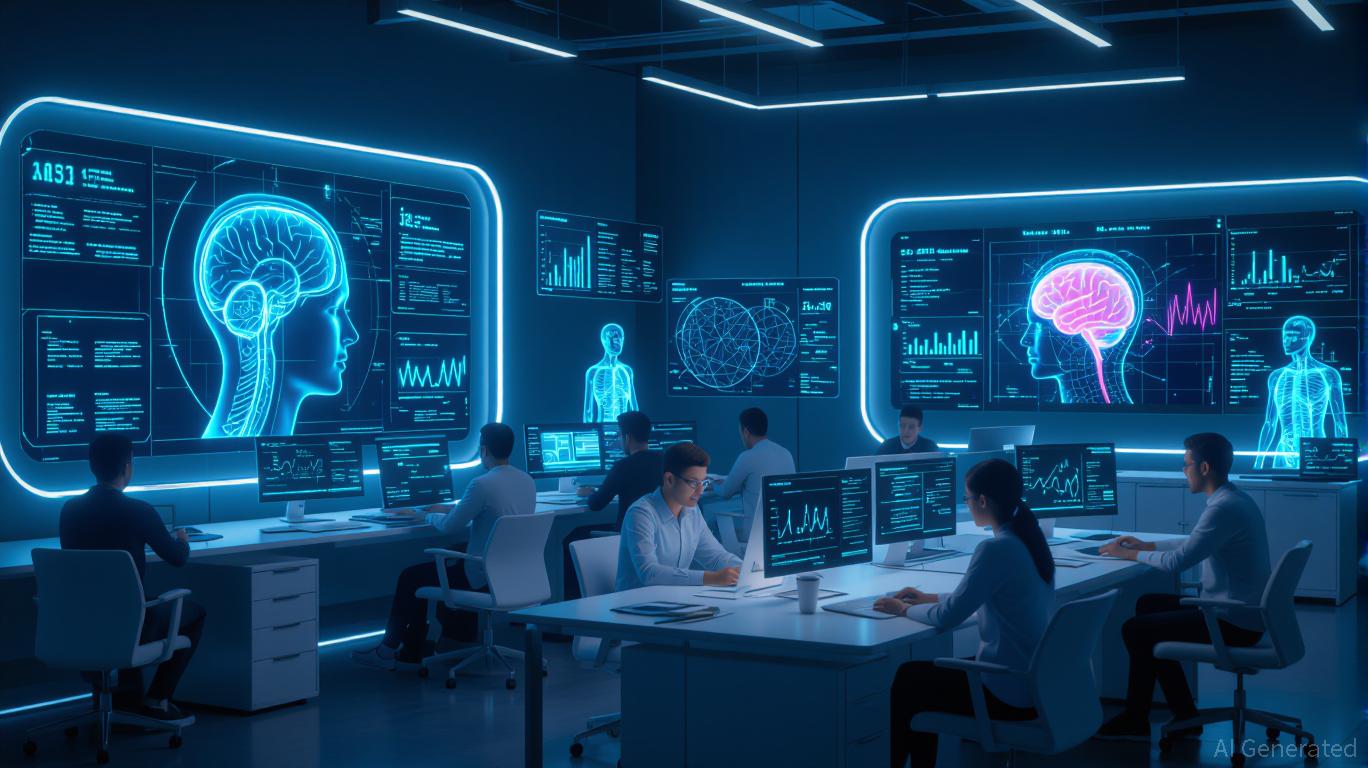
Farmingdale State College serves as a prime example, having allocated $75 million to its Center for Computer Sciences. This initiative encourages cross-disciplinary collaboration in fields such as AI, cybersecurity, and software development. The upgraded facilities not only promote experiential learning but also ensure that graduates possess both technical expertise and leadership skills. The college’s online Bachelor of Science in Artificial Intelligence Management (AIM) further supports this mission by combining courses in AI ethics, machine learning, and business strategy to equip students for future leadership positions.
Farmingdale State College: Advancing AI in Education
Farmingdale’s approach highlights the close connection between academic innovation and regional economic growth. A project supported by the National Science Foundation (NSF), led by faculty members Nur Dean and Xiaojin Ye, is dedicated to strengthening critical thinking skills in AI programming—a key industry requirement. Such initiatives not only raise academic standards but also position the college as a leader in technological advancement.
The benefits of these investments are clear. Farmingdale’s STEM programs are expected to double enrollment in technology disciplines, directly addressing talent shortages in Long Island’s innovation sector. The expansion of the Broad Hollow Bioscience Park is projected to generate 135 new jobs, showcasing how educational institutions can drive local economic development. For investors, these results highlight the enduring value of supporting STEM-centric universities, which act as both talent incubators and innovation engines.
Investment Opportunities and Returns in AI-Driven Education
Returns on investment in STEM-focused educational technology are increasingly attractive. Data from Georgetown University shows that graduates with STEM degrees, especially in engineering and computer science, enjoy higher long-term earnings compared to those in non-STEM fields. The AI EdTech sector is forecasted to surge from $5.3 billion in 2025 to $98.1 billion by 2034, propelled by advancements in personalized learning and cloud technologies.
Startups in this arena have already secured over $410 million in funding in the first quarter of 2025 alone. AI-powered solutions, such as chatbots and adaptive learning platforms, have proven to boost student achievement by up to 40% and streamline administrative processes. For instance, Georgia State University’s AI chatbot “Pounce” has successfully increased student enrollment by enhancing support services—a model that can be replicated elsewhere for similar results.
Balancing Opportunities and Challenges
Despite the promising outlook, investors must be mindful of challenges such as data privacy regulations and gaps in digital teaching skills. In regions like the European Union and North America, strict data protection laws require that AI tools adhere to high ethical standards. Additionally, educators in developing markets may need specialized training to fully utilize AI-based platforms.
Nevertheless, government initiatives and supportive policies help mitigate these risks. National strategies, such as China’s AI development plan and the UAE’s early adoption of AI in education, provide blueprints for sustainable investment. For colleges like Farmingdale, aligning with these frameworks ensures long-term growth and adaptability.
Conclusion
Colleges and universities are no longer bystanders in the AI transformation—they are actively shaping the next generation of professionals. By weaving AI into STEM programs and investing in state-of-the-art infrastructure, institutions like Farmingdale State College are preparing students for the industries of tomorrow while delivering strong returns for investors. As the AI EdTech market continues its rapid expansion, strategic support for these educational leaders will remain essential to driving both economic and technological advancement.
Disclaimer: The content of this article solely reflects the author's opinion and does not represent the platform in any capacity. This article is not intended to serve as a reference for making investment decisions.
You may also like
OG Strategies May Be Hurting Bitcoin’s Momentum

Is FET Nearing a Recovery Phase? This Key Emerging Fractal Suggests So

Core (CORE) Testing Key Resistance – Could This Pattern Trigger an Upside Breakout?

Zcash Halving 2025: Effects on the Market, Investor Reactions, and Tactical Investment Prospects
- Zcash's 2025 halving reduces block rewards by 50%, tightening supply and reinforcing its deflationary model. - The event coincided with a 1,172% price surge, driven by institutional investments and growing shielded transaction adoption. - Institutional demand, including Grayscale and Cypherpunk's ZEC acquisitions, highlights Zcash's strategic value in privacy-focused crypto markets. - Regulatory risks under MiCA and short-term volatility remain concerns, but long-term projections suggest potential for $1