Astar 2.0 Debut and Tokenomics Revamp: Driving DeFi Innovation and Attracting Institutional Participation
- Astar Network's Astar 2.0 introduces Tokenomics 3.0 with fixed 10.5B ASTR supply and 5% annual burn rate to stabilize value for institutional investors. - The update features Burndrop mechanism, asynchronous cross-chain security, and ESG-aligned protocols to address regulatory risks and attract traditional capital. - Plaza platform enables seamless asset transfers across Ethereum , BSC, and Polkadot , while zkEVM scalability targets 300,000 TPS by 2026 for enterprise-grade DeFi solutions. - Governance sh
Astar 2.0: Pioneering Institutional-Ready DeFi Solutions
The blockchain sector is undergoing a significant transformation as more projects focus on delivering features that appeal to institutional investors and establishing sustainable token models. This evolution aims to bridge decentralized finance (DeFi) with conventional financial systems. The launch of Astar Network’s Astar 2.0 in 2025 marks a major milestone in this movement. With the introduction of Tokenomics 3.0, improved cross-chain compatibility, and compliance tools tailored for institutions, Astar 2.0 is emerging as a strong force in the DeFi arena. This overview examines how these advancements may accelerate widespread adoption and attract institutional funding, potentially reshaping the competitive landscape.
Tokenomics 3.0: Building a Deflationary and Predictable Ecosystem
Astar 2.0 introduces a tokenomics framework designed to combat inflation and meet the expectations of institutional investors for stability and transparency. The supply of ASTR tokens is now capped at 10.5 billion, and a 5% annual burn rate is integrated into the protocol, establishing a deflationary dynamic. Unlike many DeFi projects that depend on inflationary rewards to drive participation, Astar’s approach gradually decreases the circulating supply, aiming to stabilize the value of ASTR—a key consideration for risk-averse institutional players.
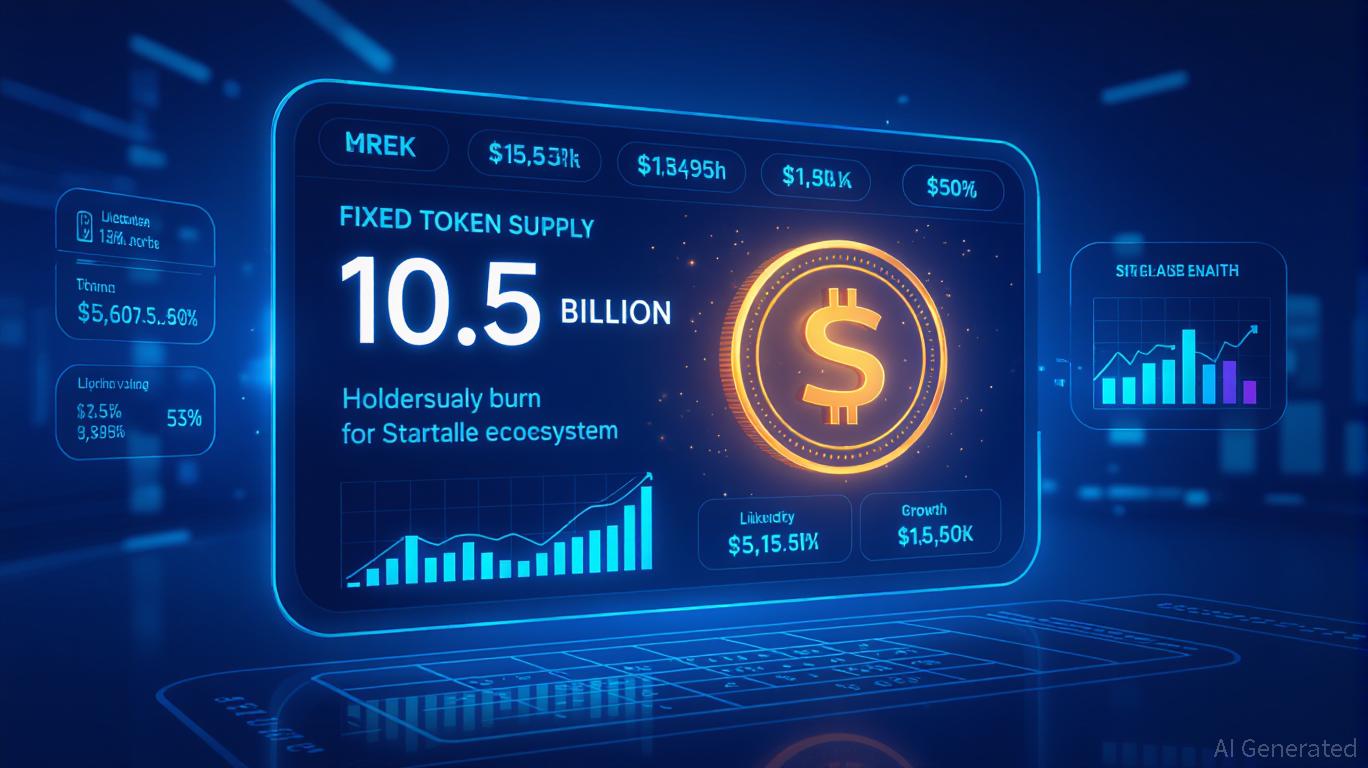
In addition to the burn rate, the Burndrop mechanism enables ASTR holders to voluntarily destroy tokens in return for future Startale ecosystem tokens. This not only intensifies deflationary effects but also encourages long-term commitment from holders, motivating them to lock up assets and support the network’s expansion. This two-pronged strategy increases scarcity and aligns the interests of token holders with the platform’s sustained growth.
Institutional Integration: Compliance, ESG Alignment, and Risk Reduction
Historically, regulatory ambiguity and smart contract vulnerabilities have deterred institutions from engaging with DeFi. Astar 2.0 addresses these barriers by implementing asynchronous backing and robust compliance protocols. Asynchronous backing secures assets across multiple chains without relying on real-time validation, thereby minimizing the risk of smart contract exploits—a crucial safeguard for institutions managing substantial assets.
Furthermore, Astar’s tokenomics are crafted to support Environmental, Social, and Governance (ESG) objectives, emphasizing openness, a fixed supply, and sustainability. The platform’s capped supply and burn mechanisms inherently reduce energy consumption compared to traditional proof-of-work systems, making it attractive to ESG-conscious investors. As financial institutions increasingly prioritize ESG factors, Astar’s alignment with these standards could open doors to a wider range of capital sources.
Cross-Chain Connectivity: Uniting Web2 and Web3
The Plaza platform is central to Astar 2.0’s cross-chain vision, facilitating effortless asset transfers between Ethereum, Binance Smart Chain (BSC), and Polkadot. This level of interoperability is crucial for the next stage of DeFi’s evolution, allowing users to tap into liquidity across various blockchains without compromising on security or efficiency. For institutional participants, Plaza simplifies asset management and enables capital deployment across multiple DeFi protocols within a consistent risk framework.
Astar’s hybrid design also incorporates Astar zkEVM, a zero-knowledge Ethereum Virtual Machine that boosts scalability. By 2025, Astar anticipates handling up to 150,000 transactions per second (TPS), with ambitions to reach 300,000 TPS by 2026. This high throughput is vital for enterprise-level applications that demand rapid and reliable transaction processing. The combination of scalability and cross-chain support positions Astar as a robust infrastructure for institutional DeFi solutions.
Governance Transformation: Empowering the Community
Astar 2.0 is shifting its governance from a foundation-led model to community-driven councils by mid-2026. This transition reflects the growing call for decentralized governance in blockchain projects, especially among institutional stakeholders who value transparency and accountability. By granting token holders the authority to vote on protocol changes and treasury management, Astar encourages broader participation and reduces centralization risks.
Staking Enhancements: Rewarding Developers and Liquidity Providers
The latest update also revamps staking incentives to better serve developers and liquidity providers. The tokenomics now dynamically adjust emissions, increasing rewards for dApp creators while reducing allocations for collators and the treasury. This shift promotes sustainable innovation and ensures the ecosystem remains focused on development rather than inflationary rewards. Additionally, the Startale App provides a unified interface for managing ASTR, streamlining engagement for both individual and institutional users.
Conclusion: Astar 2.0’s Role in the Future of DeFi
With its blend of deflationary economics, institutional-grade compliance, cross-chain functionality, and progressive governance, Astar 2.0 offers a compelling proposition for the evolving DeFi landscape. By tackling challenges like volatility, regulatory uncertainty, and scalability, the platform is well-positioned to attract both crypto-native and traditional investors. As DeFi continues to mature, platforms that focus on institutional adoption and long-term viability are likely to lead the market. Astar’s strategic advancements indicate it is not just participating in DeFi, but actively redefining its scope.
For investors, Astar 2.0 stands out as a rare intersection of technological progress and market preparedness, providing a solid foundation for capturing value as DeFi enters its next phase.
Disclaimer: The content of this article solely reflects the author's opinion and does not represent the platform in any capacity. This article is not intended to serve as a reference for making investment decisions.
You may also like
The Abrupt 50% Decline in SOL Value: Was This a Market Adjustment or a Total Crash?
- Solana (SOL) faced a 50% price drop in November 2025, sparking debates over whether it signaled a temporary correction or deeper collapse. - Fundamentals showed mixed signals: falling TVL and validator counts, but strong institutional inflows ($101.7M net ETF inflows) and rising DEX activity. - Retail panic ($19B liquidations) and bearish technical indicators (broken $140 support) contrasted with institutional confidence in Solana's infrastructure. - Analysts highlighted the critical $80B market cap supp

Internet Computer's Value Rises: On-Chain Growth and Ecosystem Enhancements Drive Sustainable Gains

The Emergence of a Governed Clean Energy Market and Its Influence on Institutional Investors
- CleanTrade secures CFTC SEF approval, enabling transparent clean energy trading akin to traditional markets. - Platform facilitates $16B in transactions by centralizing VPPAs/PPAs/RECs, reducing counterparty risks for institutional investors. - Global clean energy investment ($2.2T) now outpaces fossil fuels ($1.1T), driven by cost-competitive solar and policy support. - Clean energy markets show growing independence from oil prices while maintaining crisis resilience seen during pandemic recovery. - CFT

Bitcoin Faces Regulatory Turning Point in November 2025: Institutional Integration and Compliance Obstacles
- In November 2025, Bitcoin faces regulatory crossroads as U.S. SEC approves spot ETFs and EU MiCA harmonizes crypto rules, accelerating institutional adoption. - 68% of institutional investors now allocate to Bitcoin ETPs, driven by GENIUS Act clarity and infrastructure advances, signaling strategic asset-class integration. - Compliance challenges persist due to fragmented enforcement, with MiCA passporting inconsistencies and U.S. stablecoin audit requirements complicating cross-border operations. - Futu