
Crypto’s Drive for Innovation and the Need for Investor Safeguards: Lessons Highlighted by a Tragic Prison Incident
- Faruk Ozer, founder of collapsed Turkish crypto exchange Thodex, was found dead in prison on Nov 1, 2025, while serving a 11,196-year sentence for a $2.6B fraud. - Authorities suspect suicide; his death reignited debates over Turkey's solitary confinement practices at Tekirdag F-Type prison, criticized by human rights groups. - The 2021 Thodex collapse left 400,000 users stranded, prompting Turkey to implement stricter crypto regulations despite remaining a $200B regional crypto market. - Ozer's case mir
Faruk Fatih Ozer, who established and previously led the now-defunct Turkish crypto exchange Thodex, was discovered deceased in his prison cell on November 1, 2025. At the time, he was serving a sentence of 11,196 years for masterminding what is regarded as one of the most significant crypto scams to date, according to
Ozer’s 2023 conviction for running a criminal enterprise, committing aggravated fraud, and laundering money marked a turning point in Turkey’s stance on crypto oversight, according to the
This incident highlighted the dangers of loosely regulated digital asset markets, especially in countries with weak enforcement. Ozer fled to Albania in 2021, was apprehended in 2022, and subsequently extradited to Turkey for trial. During court hearings, he insisted he wanted to "survive and make amends" to those who lost money, but his defense was unable to achieve a positive verdict, according to
Ozer’s death has renewed scrutiny of prison conditions in Turkey. Advocacy groups have repeatedly condemned Tekirdag F-Type for its heavy reliance on solitary and small-group isolation, practices associated with mental health issues, as previously documented. Justice Minister Yılmaz Tunç remarked that "preliminary assessments point to suicide," but stressed that the official cause will be determined by the ongoing investigation.
The Thodex debacle spurred regulatory changes, including stricter licensing and increased surveillance of crypto-related activities in Turkey. Despite these reforms, the nation remains a major player in the Middle East and North Africa’s crypto market, with annual transactions reaching $200 billion, according to Chainalysis. However, individual investor activity has declined, with institutions now dominating the sector.
The Ozer saga also sheds light on broader issues facing the global crypto industry. Thodex’s downfall echoed other high-profile failures, such as the FTX collapse in 2022, revealing the risks of platforms operating with little oversight. As governments around the world seek to balance technological progress with investor safeguards, Turkey’s experience stands as a warning for others.
Disclaimer: The content of this article solely reflects the author's opinion and does not represent the platform in any capacity. This article is not intended to serve as a reference for making investment decisions.
You may also like
Zcash Halving 2025: Effects on Cryptocurrency Market Trends and Growing Institutional Engagement
- Zcash's 2025 halving reduced block rewards by 50%, triggering an 845% price surge to $650 amid Bitcoin-like scarcity dynamics. - Institutional adoption grew with $155M in ZEC investments, driven by Zcash's optional-privacy model aligning with AML regulations. - Shielded pools holding 4.96M ZEC and improved zero-knowledge tech highlight privacy's rising role in Web3 infrastructure. - Experts predict $1,000+ price targets for ZEC, but warn of regulatory risks and competition from emerging privacy protocols.

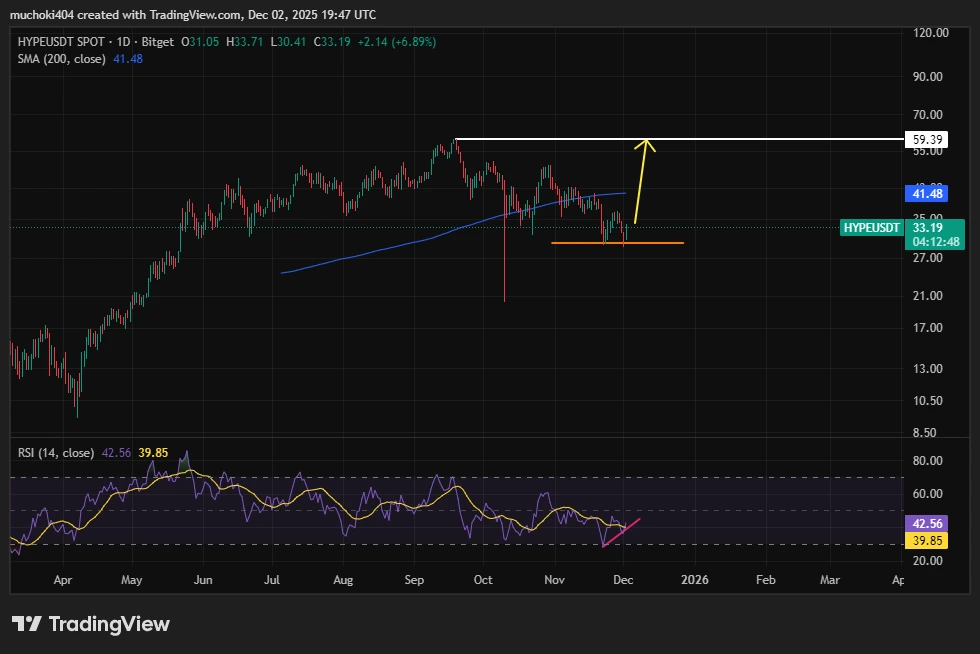
Hyperliquid (HYPE) May Revisit $59 Soon Amid Extreme Market Fear: Here is Why
Gary Gensler Warns Crypto Still “Speculative” Says Only Bitcoin Has Real Standing
Crypto ETF News: SEC Stops 3x and 5x Crypto ETFs to Protect Market Stability






